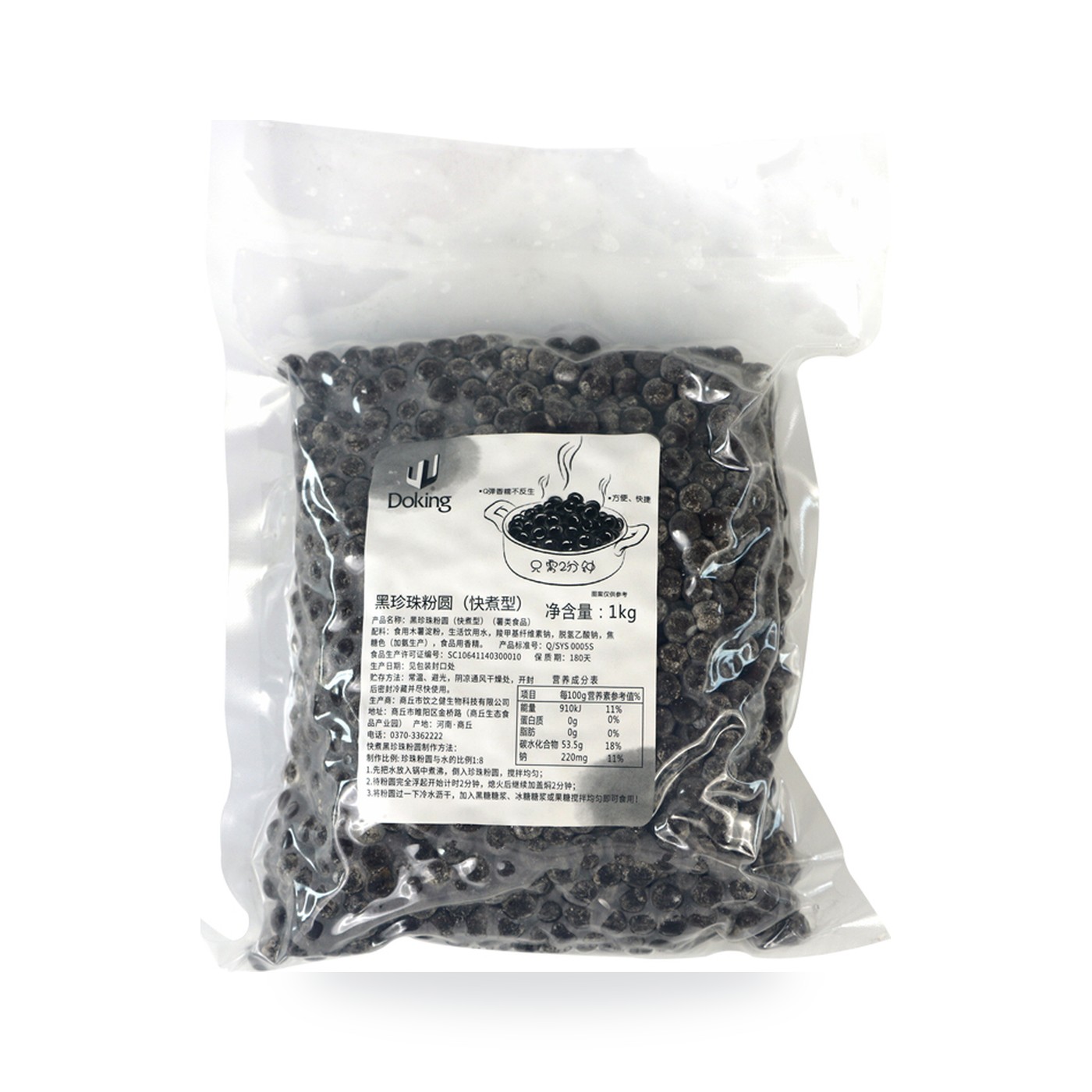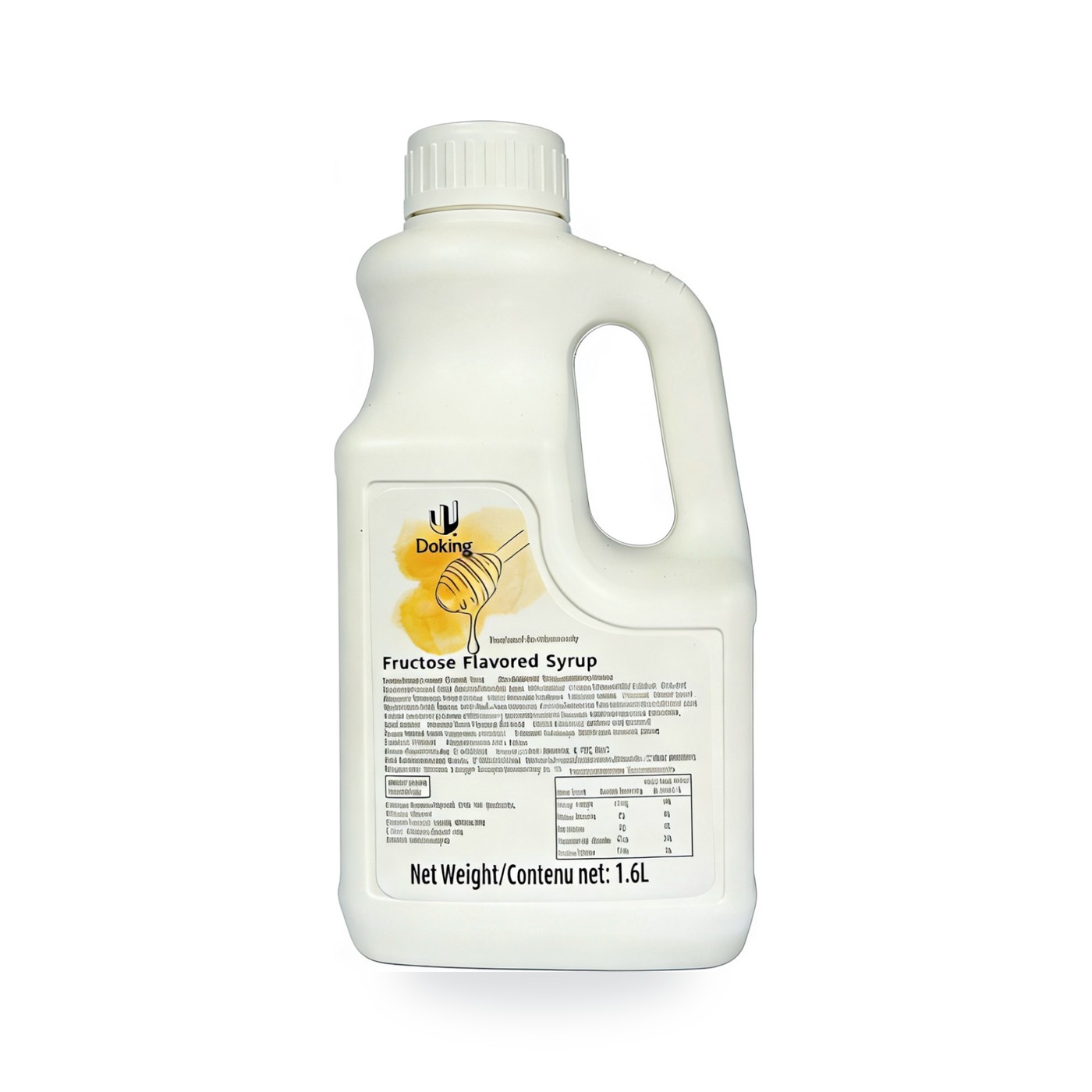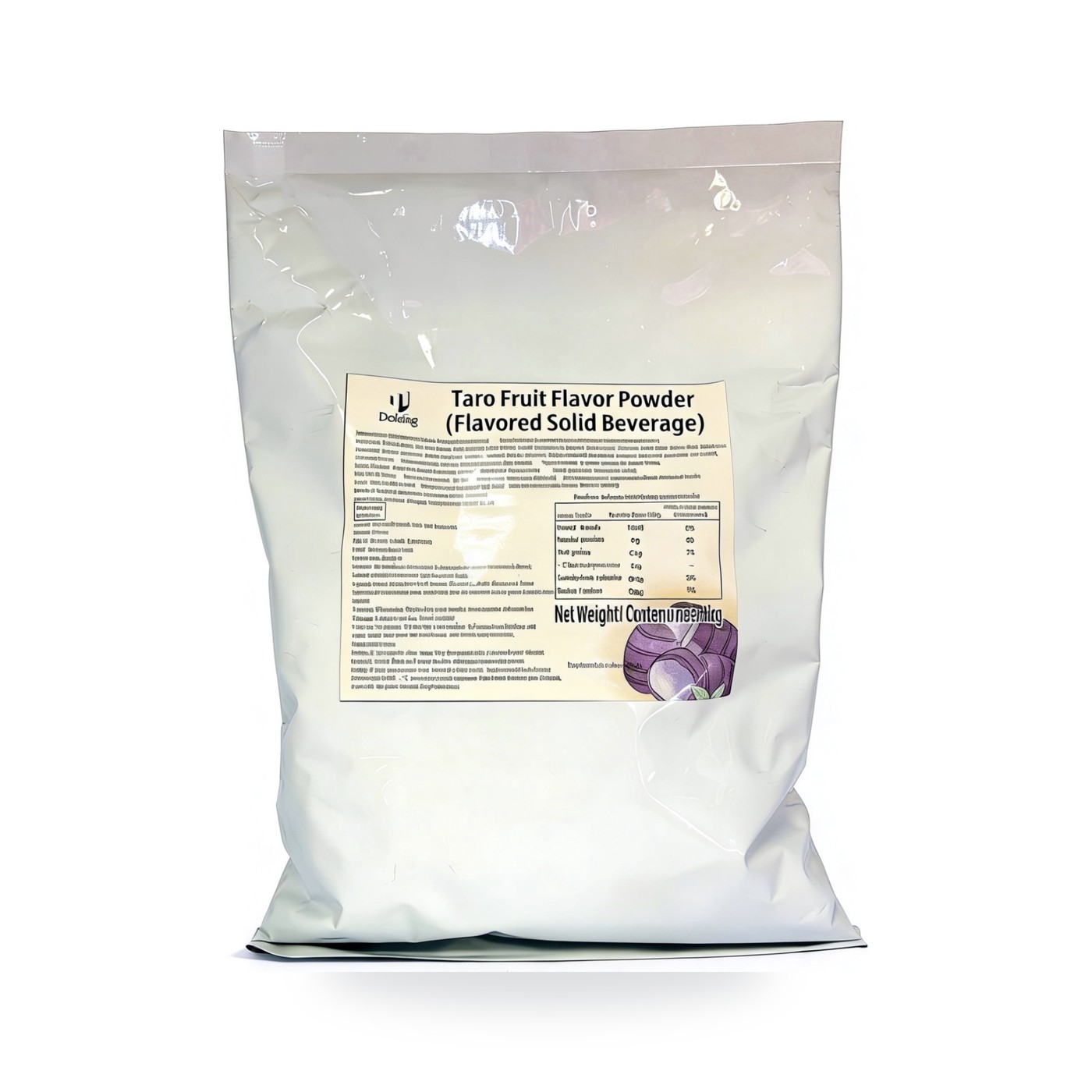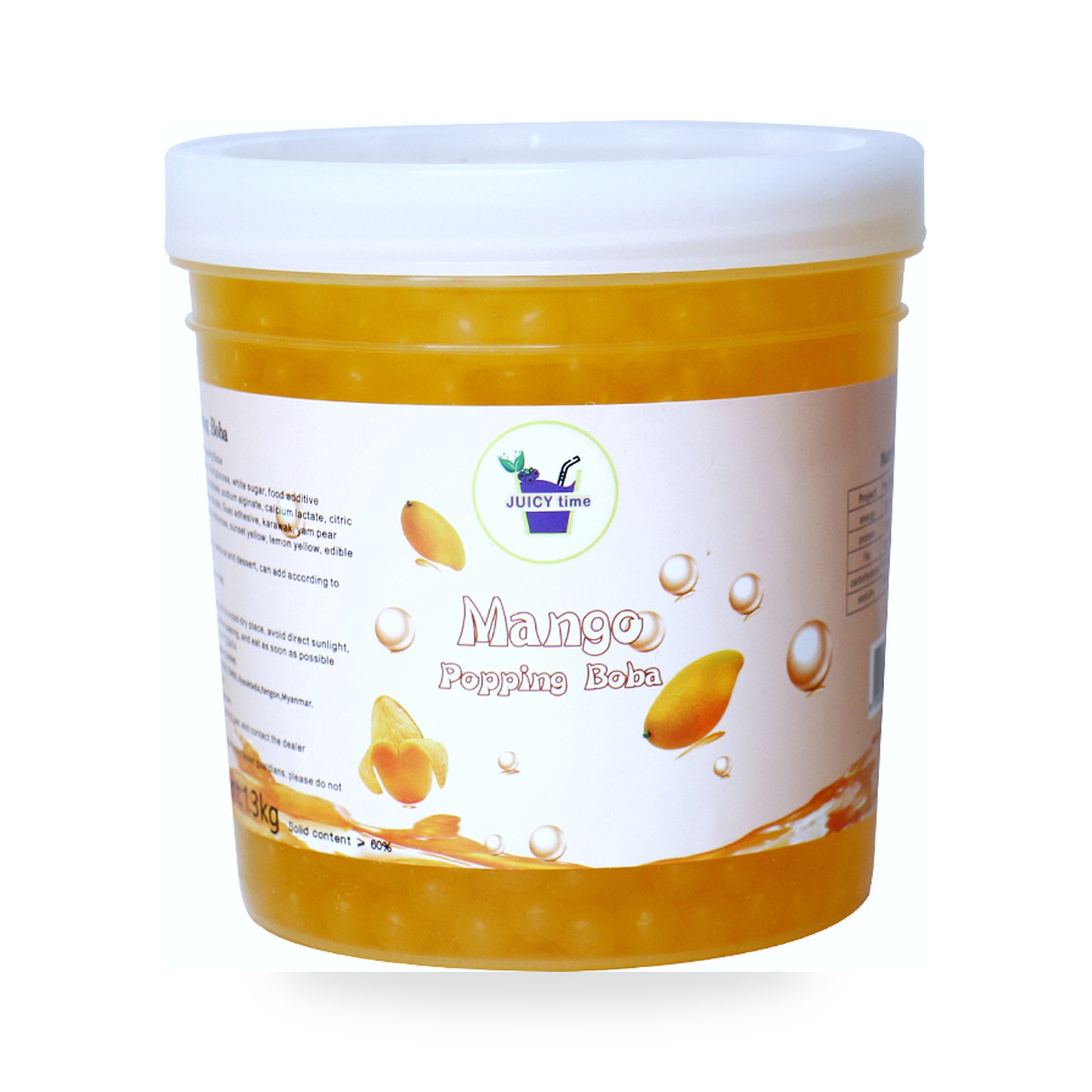
If you run or are opening a bubble tea shop in Ontario or Québec, your ingredient supplier decides more of your week than almost any other vendor: whether you can reorder on a Tuesday and pour on a Friday, whether a price change ambushes your menu math, and whether “certified” means a document or a decoration. The short version: pick a supplier with real warehouse stock in your province, published prices you can compare, and certificates they will actually show you.
Here is the checklist we would use to vet any Canadian supplier — including us. Nothing on it requires insider knowledge; every point is a question you can ask in one email.
1. Local stock, in your province
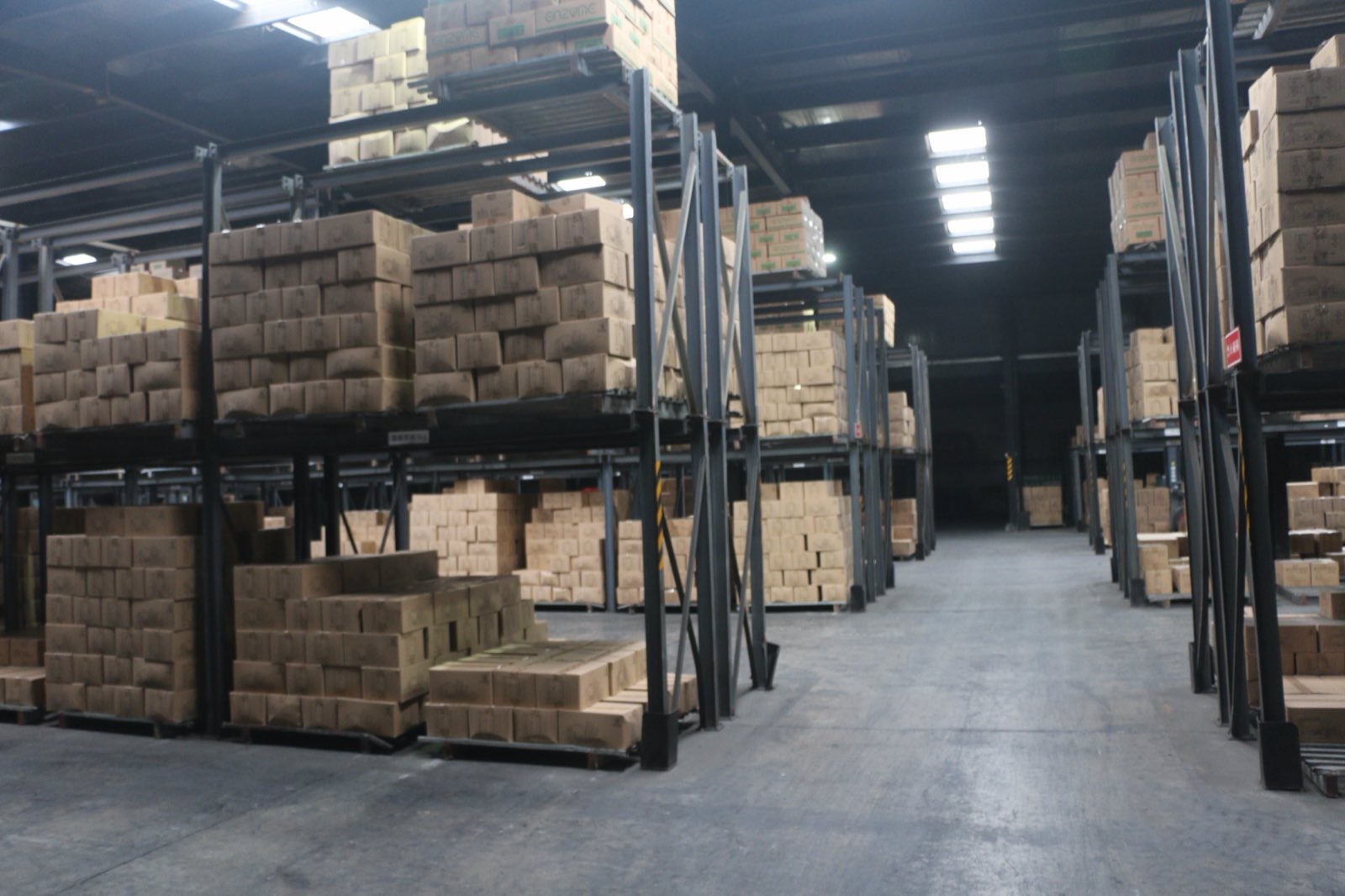
Ask where the physical warehouse is and which warehouse your orders ship from. “Canadian supplier” sometimes means a website with a cross-border drop-ship behind it — which puts customs clearance and freight risk back on your order. A supplier holding stock in your province can turn a case order around in days and lets you pick up when a delivery window doesn’t work. This is the single biggest difference in week-to-week operations. (For reference, we run two: a Toronto warehouse for Ontario and a Montréal warehouse for Québec.)
2. Published, comparable pricing
If you cannot see wholesale pricing without opening an account, comparing suppliers becomes a week of emails. Look for a published case price — and check whether it is province-specific, because a price that quietly includes cross-country freight is not the same number. We publish our Ontario and Québec case prices on every product page precisely so this comparison takes minutes; whoever you buy from, hold them to that standard.
3. Certificates you can verify
The certifications that matter for beverage ingredients made at scale are HACCP, ISO 9001, ISO 22000 and HALAL at the production base. The test is not the logo on the website — it is whether the supplier sends current certificates and COA reports when you ask. If the answer is vague, treat every other claim accordingly.
4. Samples before commitment
Pearls that go mushy, powder that clumps, syrup that separates — you find out in your own kitchen, not from a spec sheet. A confident supplier offers samples or lets you buy single units at retail price before you commit to cases. Budget one test round into your opening timeline.
5. A minimum order you can actually live with
By-the-case is the standard wholesale unit (tapioca pearls, for instance, commonly come 1 kg × 20 bags per case). What you want to avoid as a single location is a high dollar minimum per order that forces you to overstock slow movers to reach the threshold. Ask for the case format list and do the fridge-and-shelf math for your volume.
6. Recipe and menu support
A supplier who publishes per-drink dosage, cost-per-cup math and working recipes saves you real development time — and tells you they understand shop economics, not just pallets. Ask what documentation comes with the products: dosage per cup, brewing parameters, storage guidance. (This is why our product pages show official recipe dosages and computed ingredient cost per cup.)
7. Service in your language
Spec sheets, allergen questions, invoice disputes and delivery scheduling all go faster in your working language. In Québec that means asking for French service and French documentation up front; in the GTA, Chinese-language service matters for many operators. A supplier who serves you in one language only is quietly adding friction to every future interaction.
The one-email test
You can vet all seven points in a single message: “Which warehouse would my orders ship from? Can you send current certificates and a case price list for my province? Can I get samples first, and is documentation available in French?” A good supplier answers everything specifically within a business day. A vague answer to any of the seven is itself the answer.