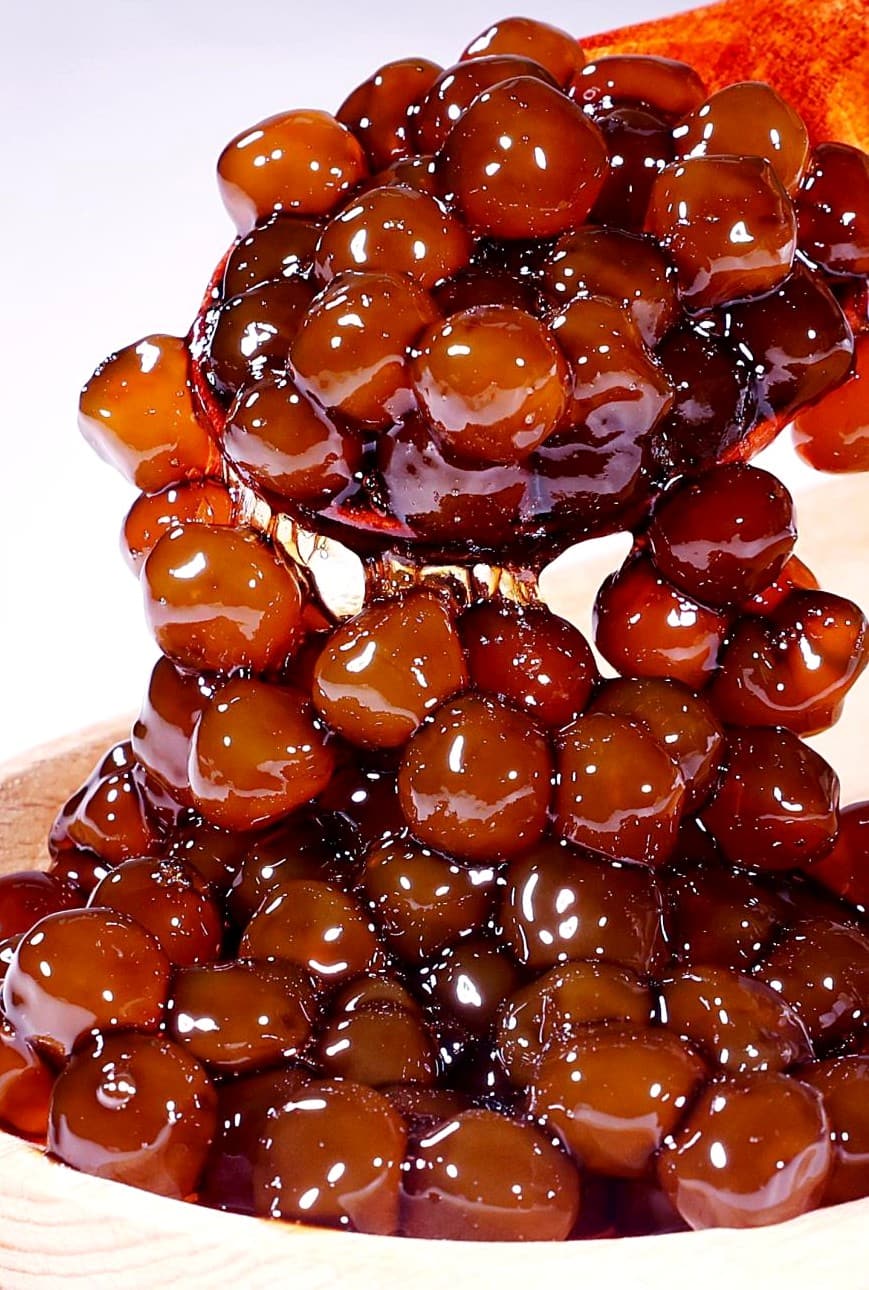
If your tapioca pearls are hard by mid-shift, the problem is almost never the cook. It is the hold. The fix is a warm brown-sugar syrup bath: keep cooked pearls fully submerged in warm syrup instead of resting them dry in a hotbox, and they stay soft, glossy and sweet through a full service window. Pearls held dry lose surface moisture to the air the moment they stop steaming, and a firm, chalky skin forms within roughly an hour even when the cook itself was textbook. A syrup bath solves this because it does two things a dry hold cannot: it keeps water moving into the pearl instead of out of it, and it pre-sweetens the pearl so the texture problem and the flavour step get fixed by the same step.
This is a different fix from getting your per-cup portion right (that is a separate question). This is about what happens to pearls after they are cooked and before they land in a cup: the rest, the hold, and the point where you stop serving them and start over. Below is the cook-and-hold SOP, a troubleshooting table for the most common failure points, and a discard-window note you should confirm before it goes on your line.
Where pearl texture actually breaks down
Most “hard pearl” complaints trace back to one of three stages. Cooking is rarely the culprit once a shop has its base method dialed in.
| Stage | What ruins the texture | The fix |
|---|---|---|
| Cook | Undercooking leaves a hard, opaque core; batch sizes and stove output vary, so a fixed clock time does not transfer between kitchens | Cook until the pearl is uniformly translucent through the center, not by the clock alone. Follow the pack instructions for your specific batch as a starting point, then confirm visually |
| Rest | Pulling pearls straight from the pot into service, or resting them uncovered, lets the outside firm up before the inside finishes carrying over | Rest off heat, covered, so residual heat finishes the pearl gently and evenly before it goes into the hold |
| Hold | Dry hotbox holding, or holding in plain water that dilutes the pearl and washes out sweetness | Hold submerged in a warm brown-sugar syrup, not dry and not in plain water |
The hold is where most shops lose the drink. A pearl that was cooked correctly can still be unsellable two hours later if it sat dry.
The cook-and-hold SOP
1. Cook
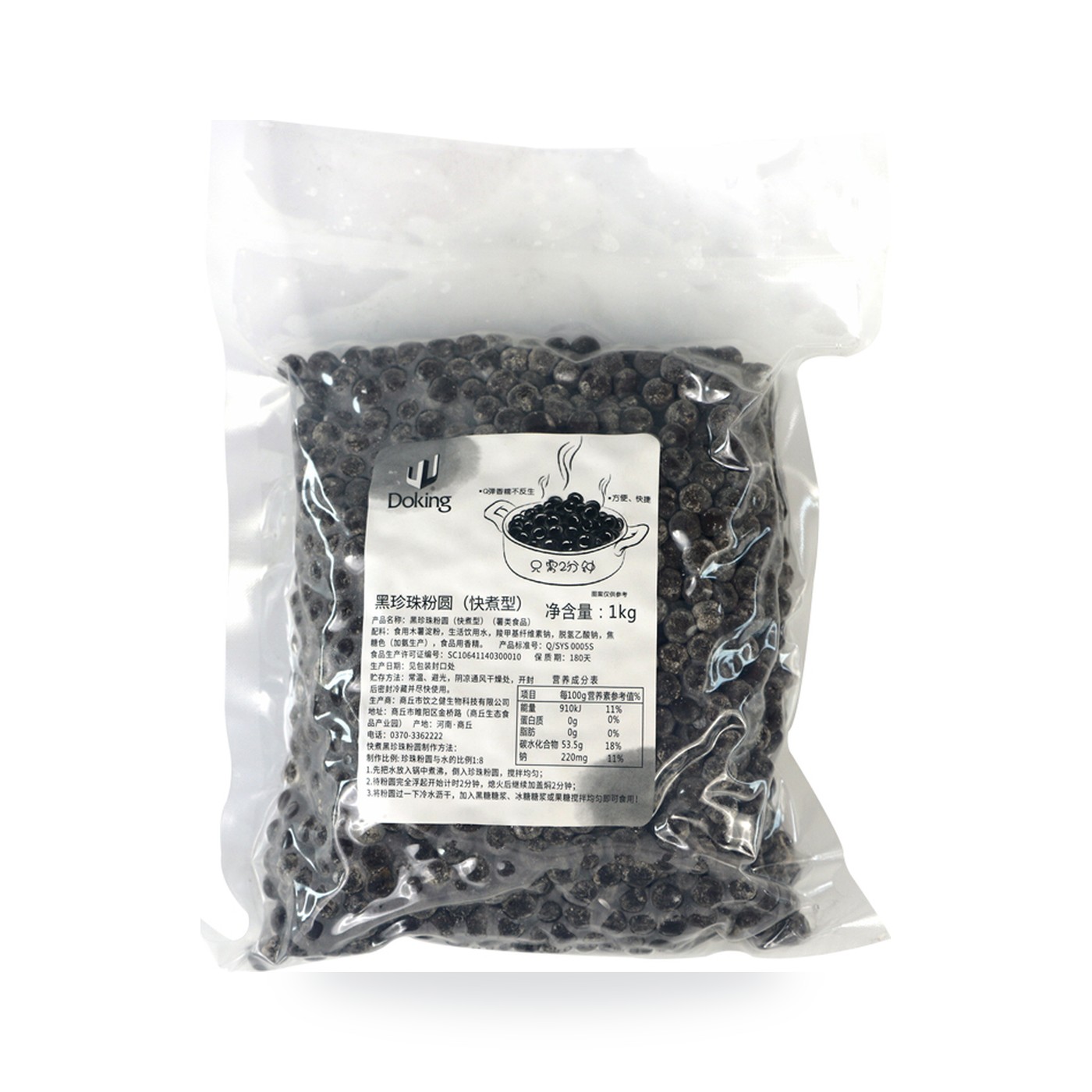
Cook black tapioca pearls to the point where they are fully translucent all the way through, with no hard white core. Batch size, pot size and stove output all change how long that takes, so treat pack directions as a starting point and confirm by eye and by tasting a pearl from the center of the batch, not the edge of the pot.
2. Rest
Take the pot off heat and let the pearls rest covered before they go anywhere near a syrup bath or a cup. This lets residual heat even out the texture from center to edge instead of leaving a firm ring where the pearl met cooler syrup too soon.
3. Hold in a warm brown-sugar syrup
This is the step that actually keeps pearls soft through service. Build a thin, warm syrup and hold the rested pearls fully submerged in it, not stacked in a hotbox and not floating in plain water.
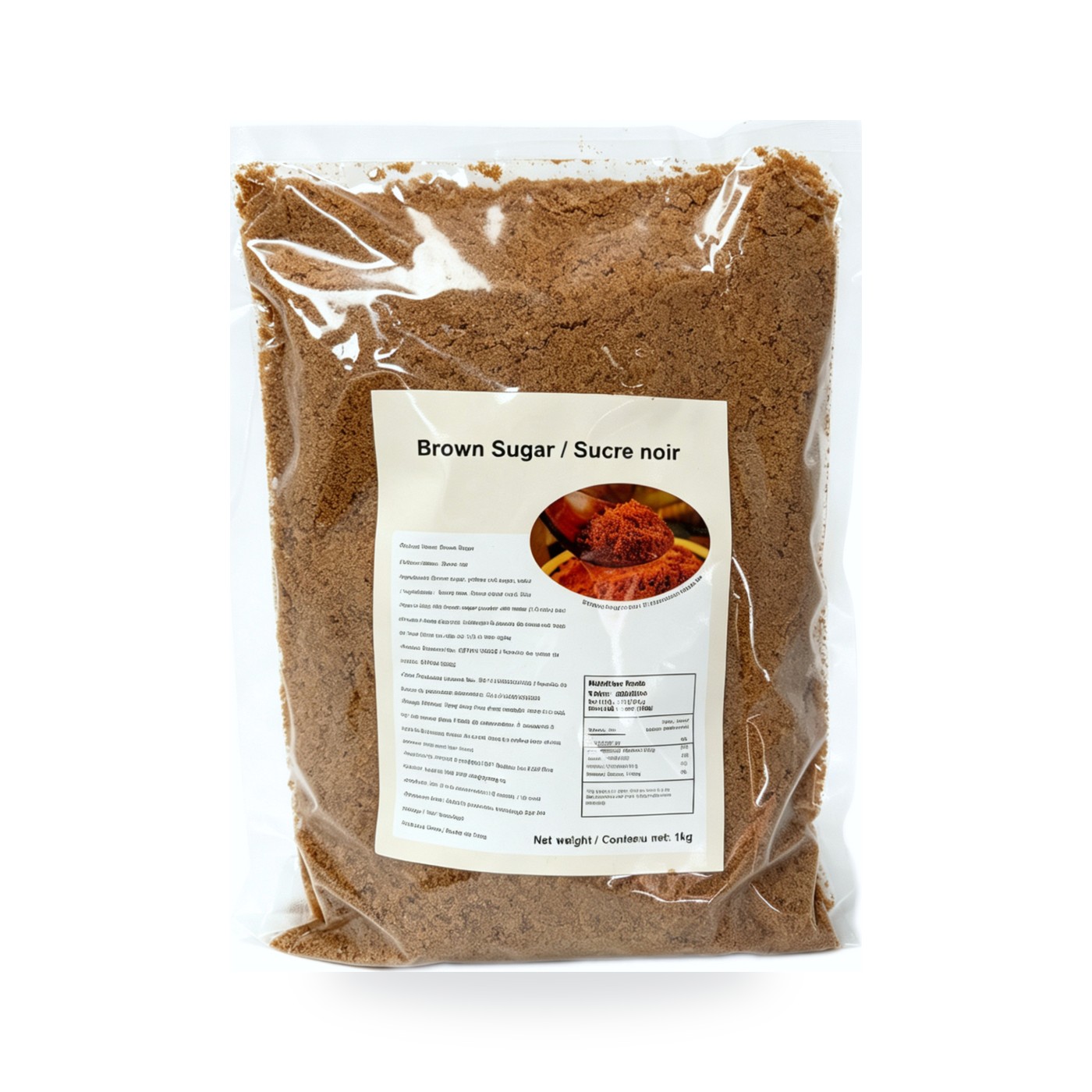
- Build the syrup from brown sugar powder, not the syrup bottle. The ready-made brown sugar syrup SKU is currently sold out, so the practical route is dissolving brown sugar powder in hot water to make your own holding syrup. That also means you set your own concentration instead of being locked to one bottle’s thickness.
- Keep pearls fully submerged. Any pearl sitting above the syrup line starts drying out immediately, the same as if it were in a dry hotbox.
- Keep the syrup warm, not simmering. A rolling simmer keeps breaking down the pearls and can turn them mushy; the syrup’s job at this stage is to hold temperature and moisture, not to keep cooking.
- Stir gently and periodically so pearls do not settle and clump at the bottom of the container, which creates the same dry-surface problem in miniature.
Soft-through-service checklist
Run this at the start of a shift and spot-check it mid-service:
- Pearls are cooked translucent through the center, confirmed by taste, not by the clock alone
- Pearls rested covered before entering the syrup hold
- Holding container has enough syrup to keep every pearl fully submerged, not just the top layer
- Syrup is warm, not simmering, and not cold
- Container is stirred periodically to prevent clumping and surface drying
- Batch is labelled with the time it went into the hold, so staff know how long it has been sitting
- No pearls are topped up into an older batch. New pearls and old pearls age differently, and mixing them makes “is this batch still good” impossible to answer at a glance
The discard window: confirm before you post this
This is the one number in the SOP we are not going to guess. Cooked tapioca pearls are a fresh, high-moisture product, and how long yours can sit in syrup before texture and food-safety practice say “make a new batch” depends on your kitchen’s own standards and your local food-safety guidance, not on a number we can hand you. Most shops run cooked pearls same-day and do not carry them overnight. Set the exact discard window with your own kitchen team and local food-safety guidance, along with a labelling method (timer, taped time card, or a batch log) so staff can read it at a glance. Once you have that number, it slots directly into the checklist above as a hard cutoff, not a guideline.
What this SOP is built on
Black tapioca pearls are the base ingredient behind Doking’s classic pearl milk tea, which runs about $0.70 per 500 ml cup in ingredients at roughly 88% gross margin on a typical menu price, covering pearls, base and sweetener (labour, cups and lids are on top). Getting the hold right protects that margin two ways: fewer pearls scrapped for texture, and fewer comped or remade drinks because a customer got a hard batch.
By the case, black tapioca pearls run $3.75/kg in Ontario and $3.50/kg in Quebec, against a $6.50 national single-unit reference. Brown sugar powder for the holding syrup runs $9.50/kg in both Ontario and Quebec, against a $14.50 national single-unit reference, so there is no province gap to plan around on that SKU.
Order by the case, or start with samples
Doking stocks black tapioca pearls and brown sugar powder by the case for foodservice, out of our Toronto warehouse for the GTA and Ontario, and our Montreal warehouse for Montreal, Laval, the South Shore and Quebec. There is no online checkout: you request a quote or send a PO, and we deliver locally, which skips the multi-week wait and minimums of overseas import. Want to test the cook-and-hold method on your own line before committing a case? Ask for samples and current by-the-case pricing for Ontario or Quebec, and we will get them to your shop.