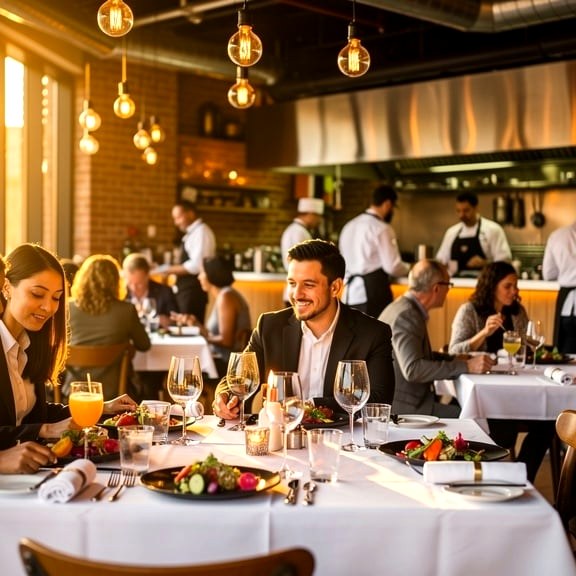
If you run a restaurant, the fastest way to raise your average check is not a bigger menu. It is a small drinks station bolted onto the covers you already have. Using shelf-stable Doking ingredients, a restaurant can run five bubble-tea-style drinks off about eight SKUs, with no barista and no espresso machine. Here is the starter list, the labour reality, and the math on what it adds to a check.
Why a drinks station lifts your check
A drink you make for $0.30 to $1.00 and sell for $5 to $6 is almost pure margin on a customer who is already sitting in your dining room. You are not paying to acquire them again. Every add-on drink lifts the ticket by close to the full menu price.
That is the whole case. A lemonade costs about $0.30 in ingredients. A classic pearl milk tea costs about $0.70. Sold at a normal menu price, each one adds most of its value straight to the check, and they pair naturally with the food you already serve, whether that is sushi, hot pot, Korean barbecue, Vietnamese or dessert.
The starter list: about 8 shelf-stable SKUs
You do not need a full bubble-tea shop’s inventory. A tight starter set covers a five-drink menu:
| SKU | What it makes |
|---|---|
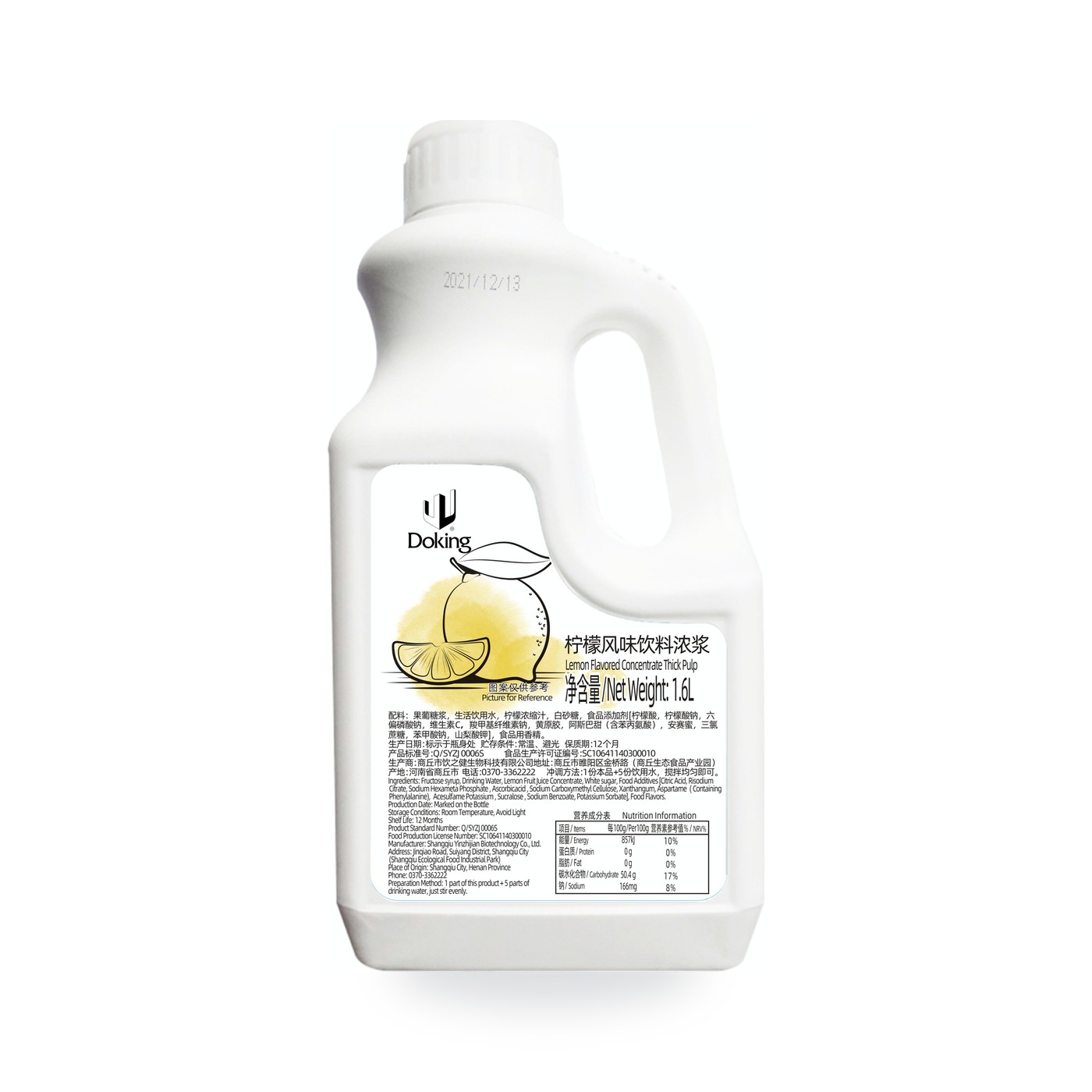
| Lemon syrup | Lemonade, fresh lemon tea |
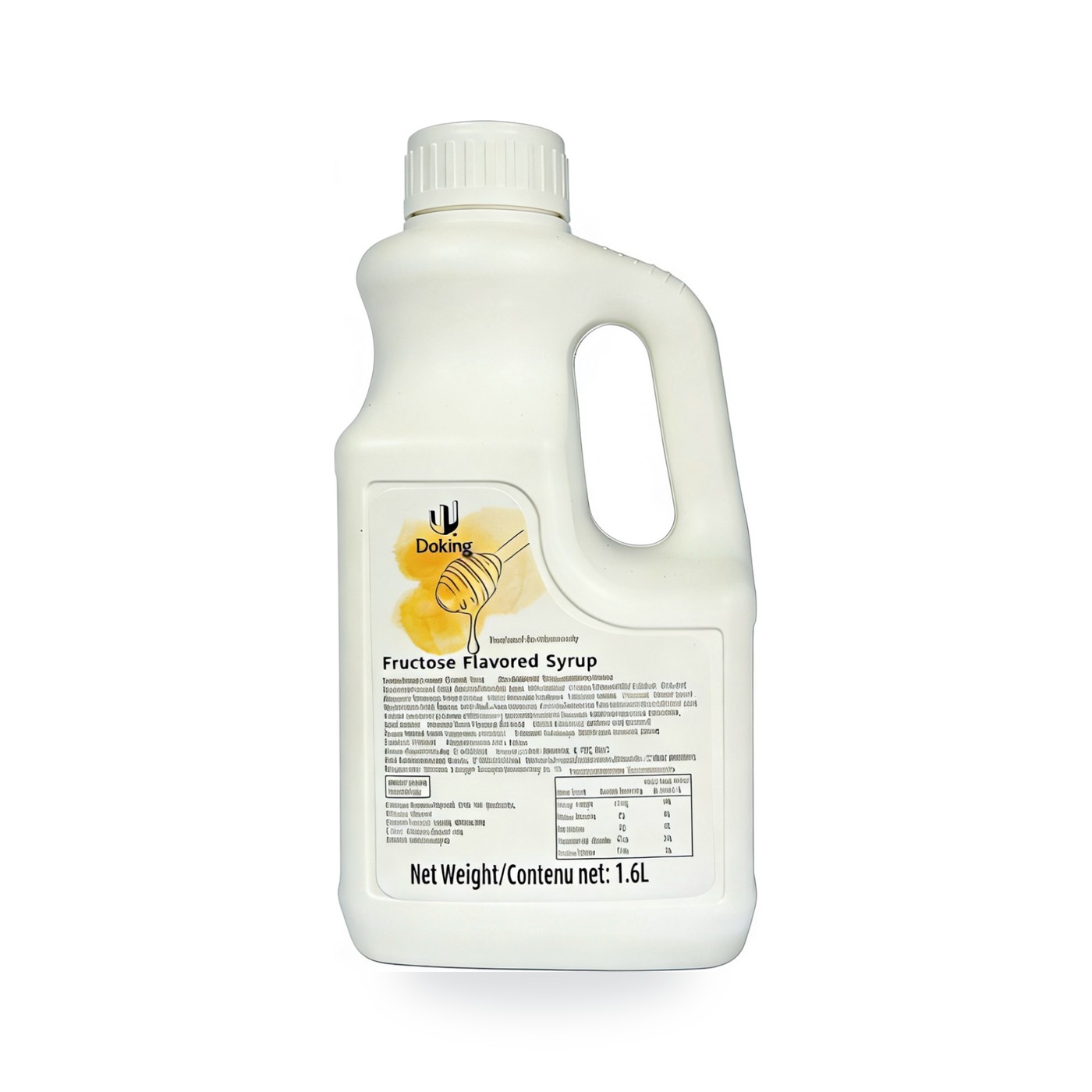
| Fructose syrup | Sweetener for every drink |
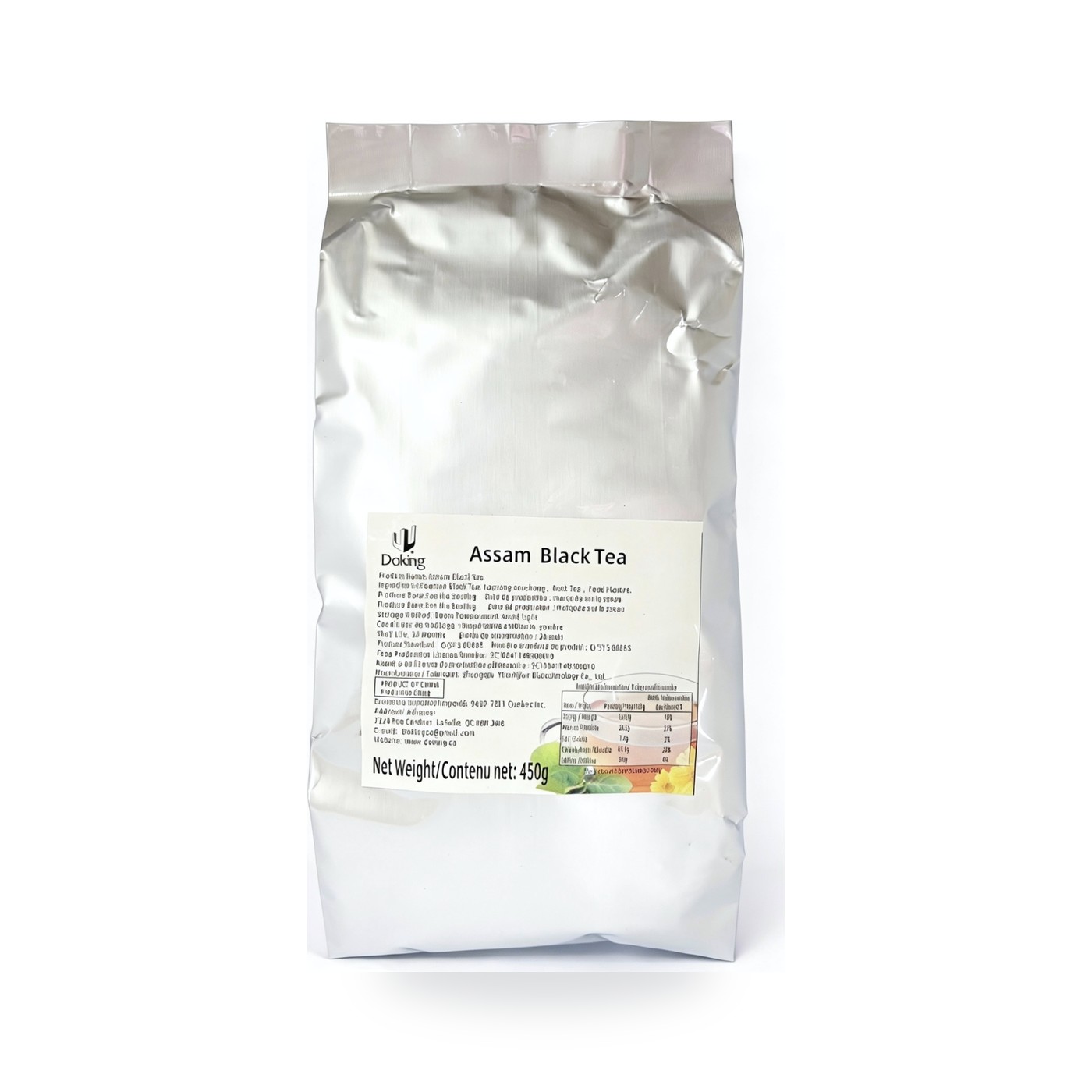
| Assam black tea | Milk tea, lemon tea base |
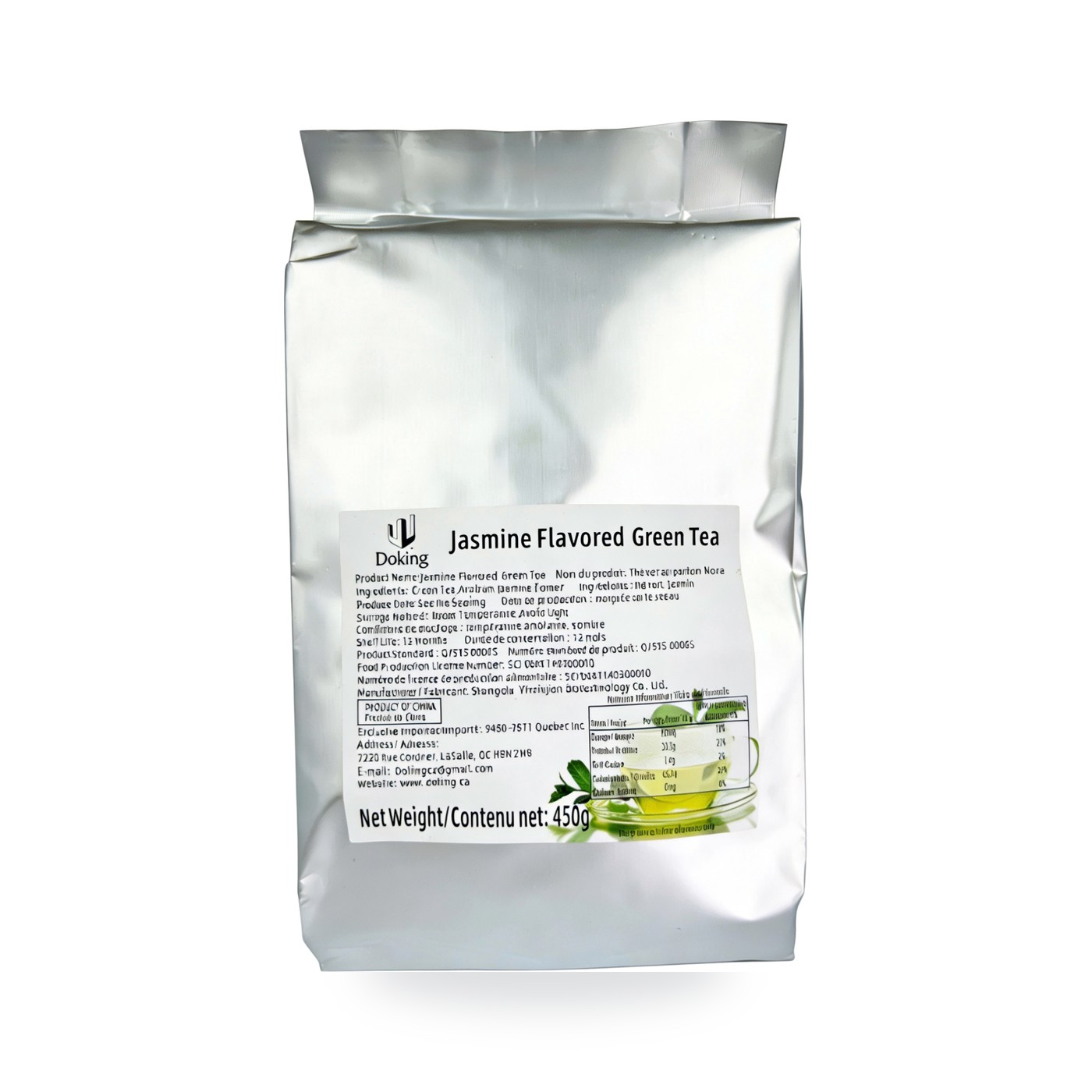
| Jasmine green tea | Fruit teas, green tea base |
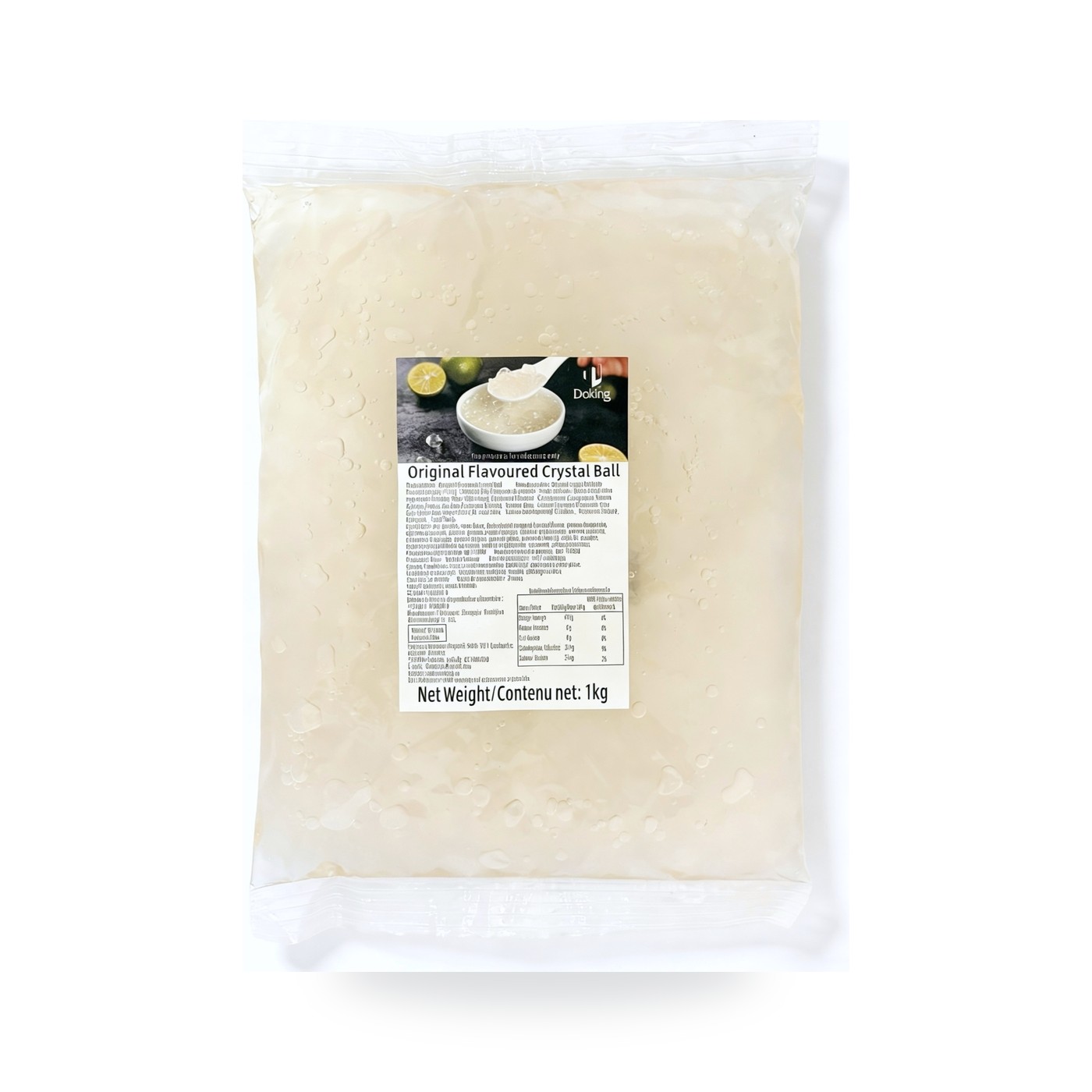
| Crystal pearls | Chewy topping for any drink |
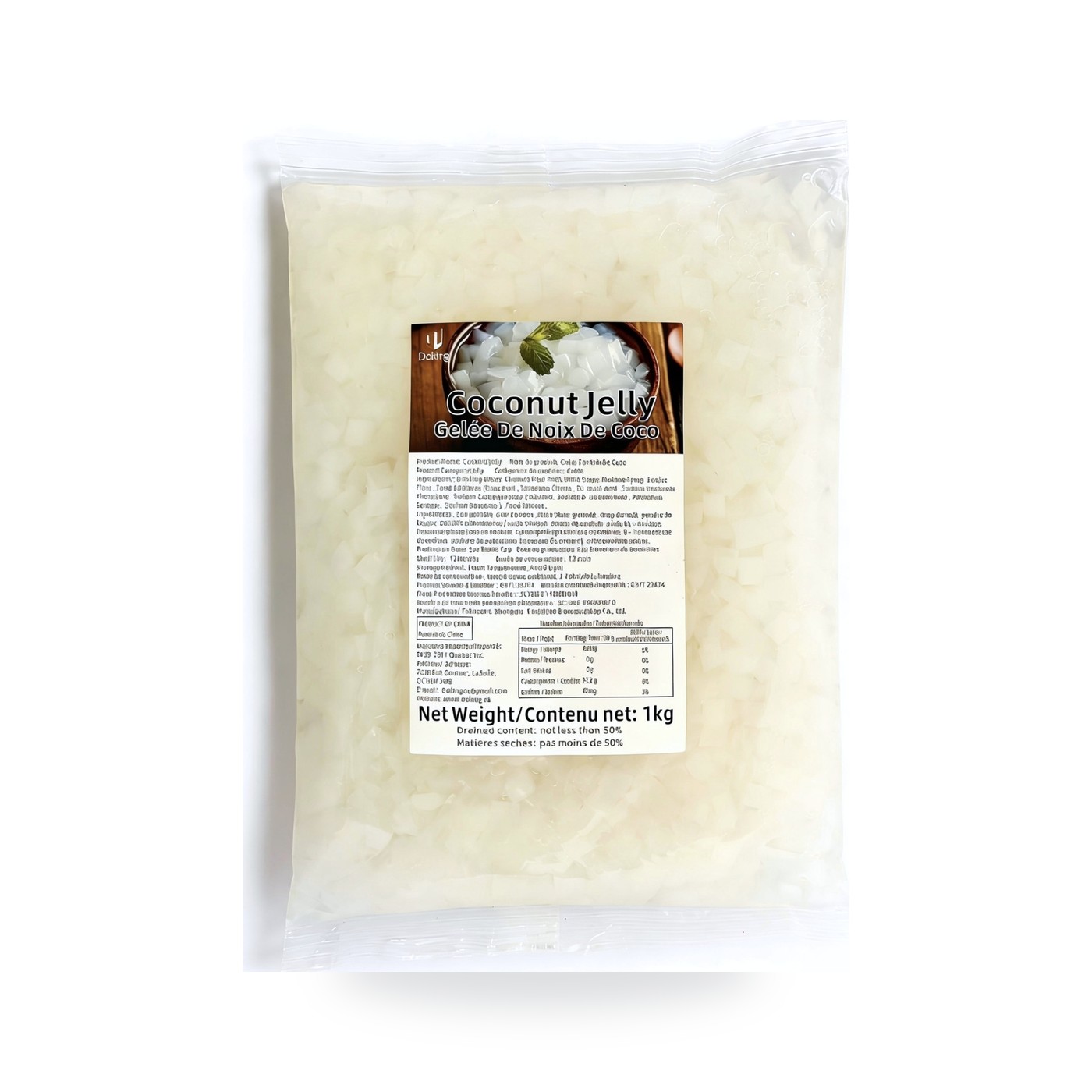
| Coconut jelly | Topping for fruit teas |
| One fruit syrup or granule | Fruit tea flavour (peach, mango, grape) |
| Non-dairy creamer | Milk tea base (optional) |
From those, five sellable drinks:
- Lemonade (one ingredient, highest margin)
- Fresh lemon tea (lemon syrup plus black tea)
- Fruit green tea (green tea plus a fruit syrup, topped with jelly)
- Classic milk tea (tea, creamer, fructose, pearls)
- A topping drink (any of the above plus crystal pearls at a higher price)
Every ingredient on that list is shelf-stable. Syrups, canned granules, dry pearls and powder store for months, so there is little spoilage risk while you learn what sells.
The labour is minimal
This is what makes it work for a kitchen rather than a café. The starter drinks are shake-and-pour or blend builds. A line cook makes a lemonade or a fruit tea in under a minute, with no barista training. The only batch task is brewing the tea, which you do once or twice a day: steep, filter, chill, done.
No espresso machine, no milk steaming, no latte art. If your staff can shake a cup and scoop pearls, they can run the station.
Start small, test, then grow
The smart way in is a small starter kit, not a full program. Pick three or four drinks, stock the six-to-eight SKUs above, and run them for a few weeks. Watch which ones your customers attach to their meal. Then add flavours from there.
Because everything is shelf-stable and bought by the case close to home, the downside of testing is small and the inventory is easy to manage.
Ask about a restaurant starter list
Doking stocks the entire starter list by the case in Toronto (Ontario) and Montréal (Québec), with local delivery. Tell us you are a restaurant testing a drinks station and we will put together a starter set and samples so your staff can try the builds before you commit. Ask us for current by-the-case pricing for your province.