The short answer: price your bubble tea or add-on drink at $5 to $6, and every drink on Doking’s own recipe cost cards holds an ingredient margin of 80% or higher. A $0.30 lemonade runs about 95% margin at that price. A $0.70 classic milk tea runs about 88%. An $0.80 matcha latte runs about 87%. A $1.00 passion fruit fruit tea, the priciest build on the list, still lands at roughly 83%. That $5 to $6 band is not a rounded-off guess, it is the point where even your most expensive drink to make clears 80% on ingredients, while your cheapest drink clears 95%. Below is the full walk from ingredient cost to menu price, why that band holds up across drinks with very different builds, and the four base SKUs that put most of a starter menu within reach.
Ingredient cost to menu price, drink by drink
These figures come from Doking’s own recipe cards: ingredient cost only, per 500 ml cup, priced at by-the-case wholesale. Labour, cups, lids and straws sit on top of the cost column and are not included.
| Drink | Ingredient cost / cup | Menu price (typical) | Ingredient margin |
|---|---|---|---|
| Lemonade (2 ingredients) | ~$0.30 | $5 to $6 | ~95% |
| Classic pearl milk tea | ~$0.70 | $5 to $6 | ~88% |
| Matcha latte | ~$0.80 | $5 to $6 | ~87% |
| Passion fruit fruit tea | ~$1.00 | $5 to $6 | ~83% |
Read the table left to right and the pricing logic is straightforward: cost goes up as a drink gains ingredients (tea plus creamer plus pearls costs more to build than syrup plus water), but the menu price barely has to move to absorb it. That is the case for pricing tiers rather than one flat price across a drinks menu, which the next section walks through.
Why a $5 to $6 price holds ingredient margin above 80%
Run the arithmetic at both ends of that band and you can see why $5 to $6 is the range worth defending, not just a habit borrowed from other menus.
At $5, the passion fruit fruit tea (the most expensive build on the cards) sits at exactly 80% ingredient margin: a dollar of ingredients against five dollars of price. Every cheaper drink clears 80% with room to spare at the same price point.
At $6, that same fruit tea moves to roughly 83%, and the rest of the menu sits between 87% and 95%.
That is the whole reason the band matters: $5 is the floor where your richest drink still clears 80%, and $6 gives every drink a bit of extra cushion for waste, over-pour, and the ingredient that inevitably costs a few cents more once you weigh your own pours instead of the cost card’s. Price under $5 and a fruit tea or matcha build can slip under that 80% line. Price well above $6 and you start competing with your own desserts and specialty coffee rather than sitting alongside them as an easy add-on.
None of this is take-home profit. Ingredient margin is the part of the number you control most directly through how you buy. Labour, rent, packaging and card processing all come off after, so treat 80% to 95% as the ceiling you are pricing toward, not the margin that lands in the till.
The four base SKUs behind most of this menu
You do not need a full bubble tea shop’s pantry to run the drinks in the table above. Four shelf-stable SKUs, bought by the case, cover the bulk of the builds:
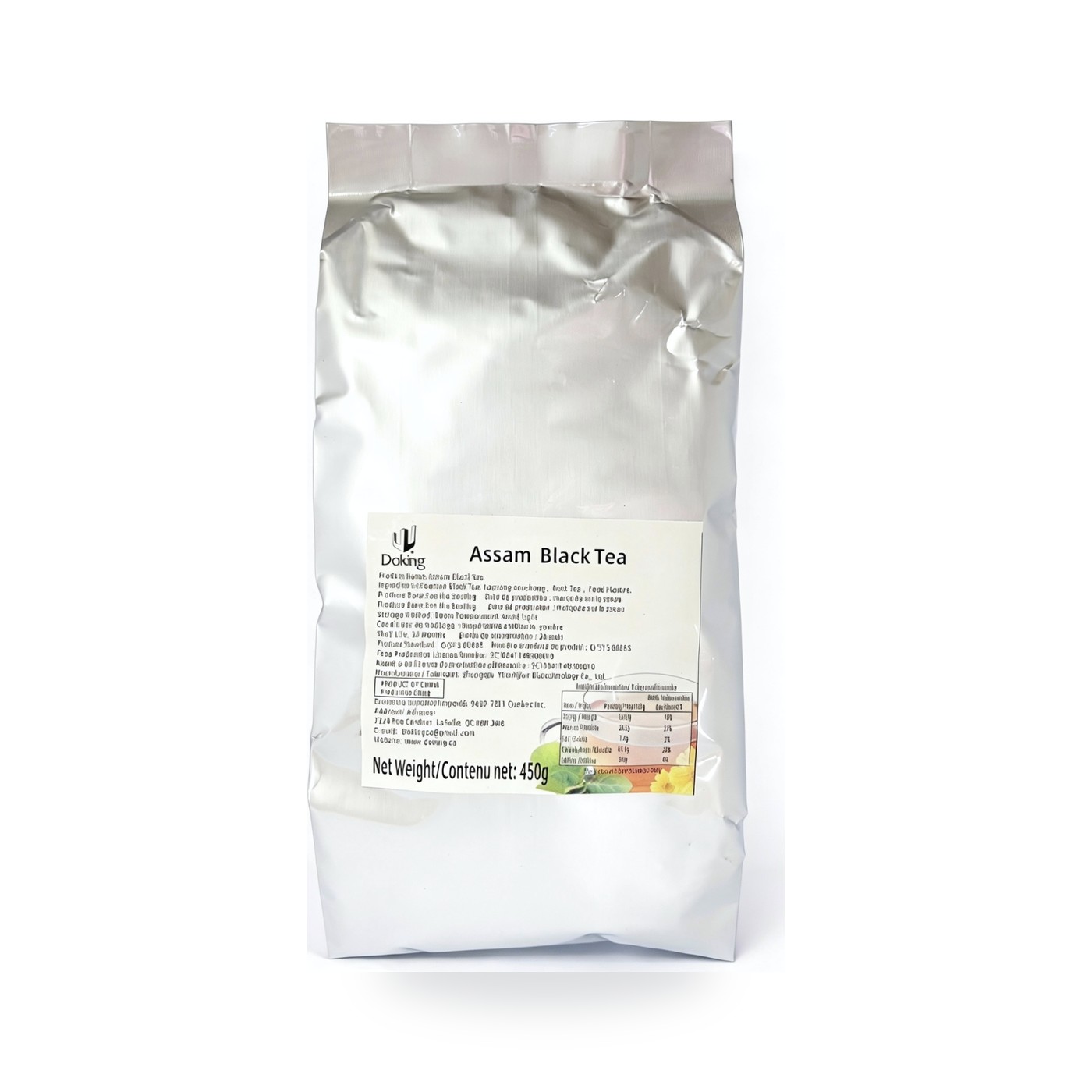
- Assam black tea, 450 g/bag: the brewed base for the milk tea and for a lemon or fruit tea variation. Steep and chill in a batch once or twice a day.
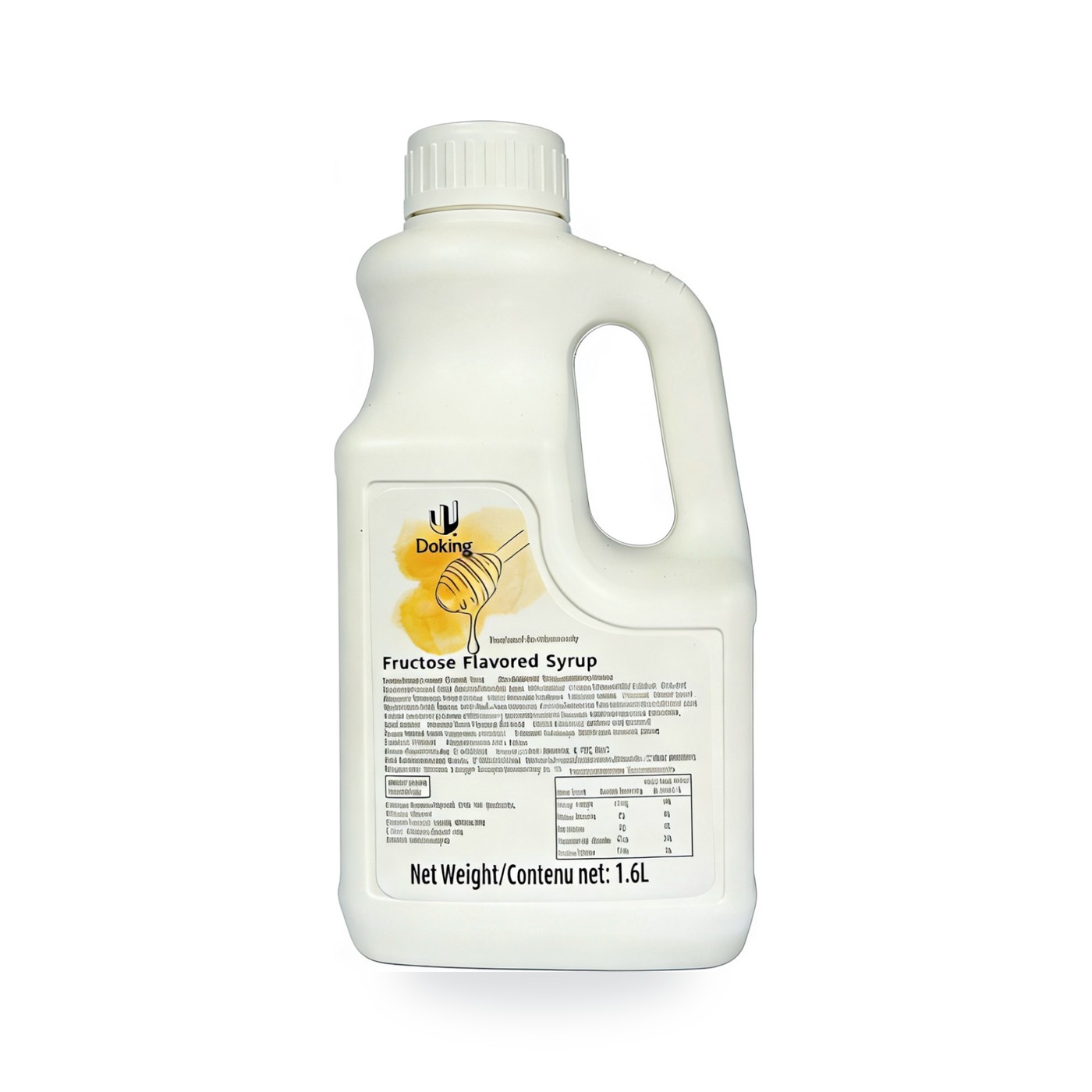
- Fructose syrup, 1.6 L: the house sweetener across nearly every drink on the menu, dosed to taste rather than swapped drink to drink.
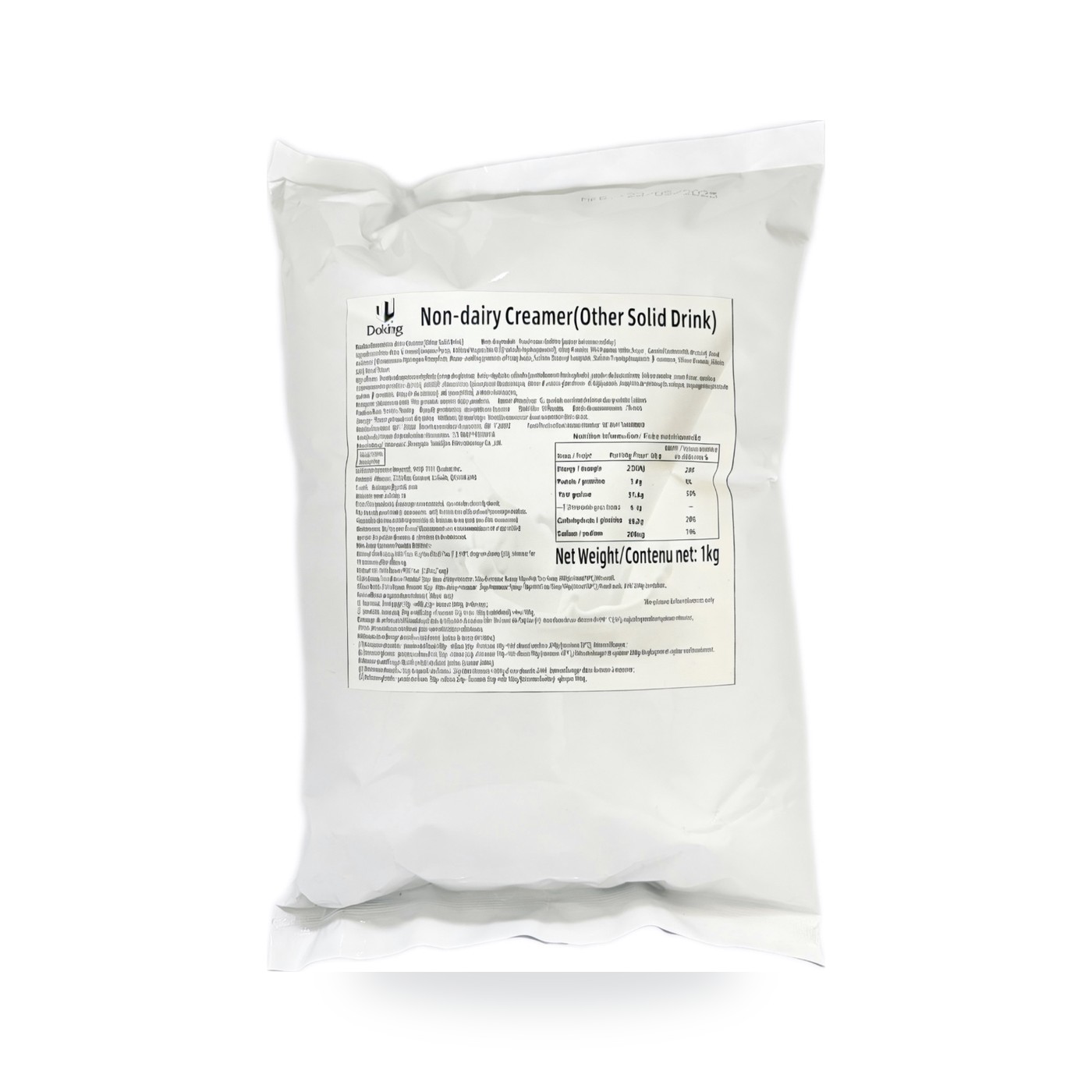
- Non-dairy creamer, 1 kg: the milk base for the classic pearl milk tea, shelf-stable so it does not carry the spoilage risk of fresh dairy.
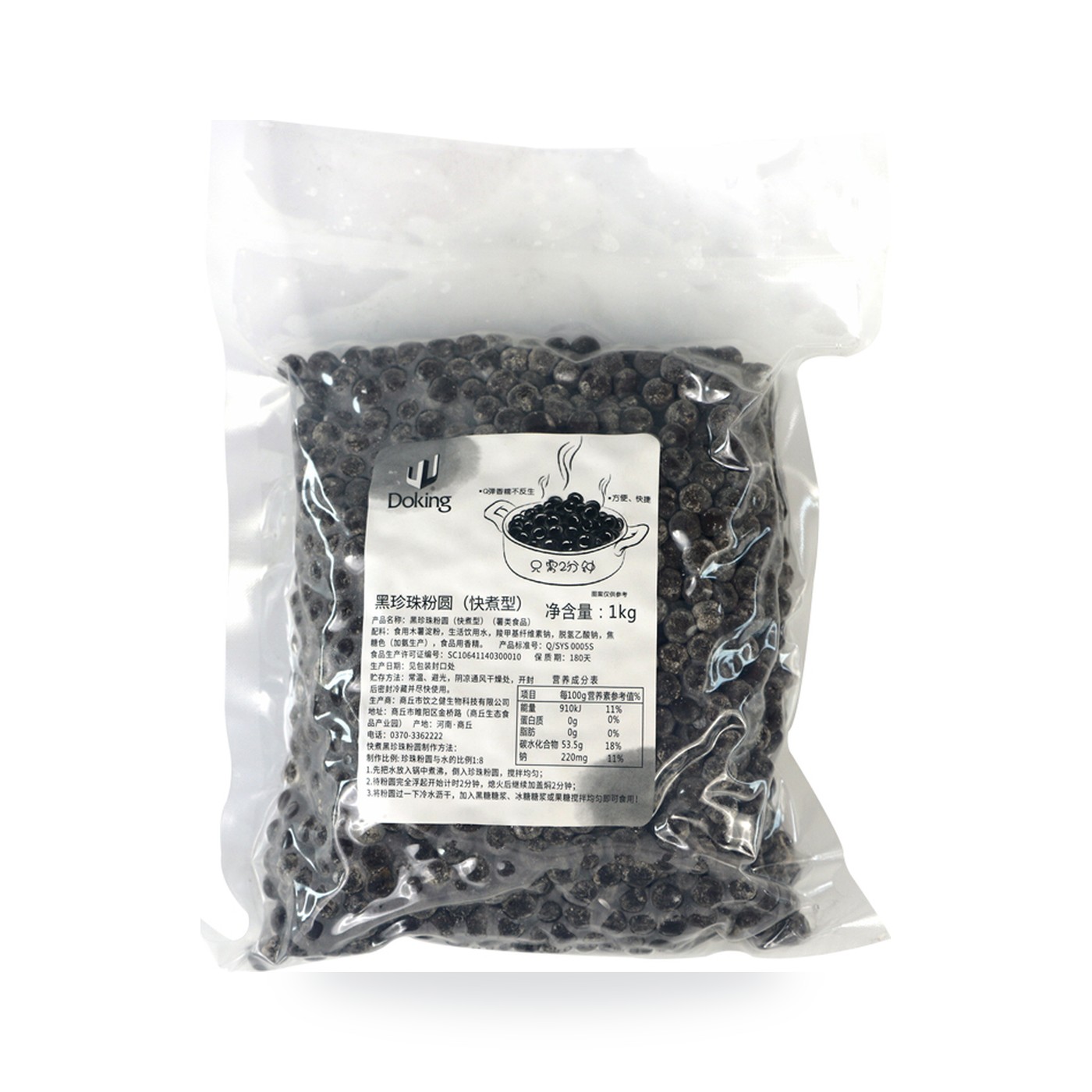
- Black tapioca pearl, 1 kg: the topping that turns a plain tea or lemonade into a bubble tea, and the easiest single add-on to charge extra for.
From those four, add a matcha powder and a fruit syrup and you can run all four drinks in the cost table above. All four base SKUs are shelf-stable, dry or syrup goods that store for months, which keeps spoilage risk low while you find out which drinks actually sell on your menu.
Simple rules for pricing an add-on menu
A few rules of thumb carry most of the decision once you know your ingredient cost:
- Start from the $5 to $6 band, not from cost-plus math alone. Cost-plus pricing on a $0.30 lemonade would put it well under a dollar, which undersells it against everything else on your menu and reads as cheap rather than as a deal.
- Tier by build complexity, not by guesswork. A one-ingredient drink (lemonade) can sit at the bottom of the band. A four-ingredient drink (milk tea, matcha, fruit tea) can sit at the top. Both still clear 80% ingredient margin.
- Charge separately for toppings. Pearls, jelly or popping boba add real ingredient cost, so price the topping as an add-on rather than folding it into the base drink price. It protects your margin on the base build and gives customers a visible upsell.
- Round to a price that matches your existing menu, not to a bubble tea shop’s price list. If your desserts run $5.95 and $6.95, your drinks should sit in that same visual family rather than looking imported from a different business.
Order the base SKUs
All four base SKUs above ship by the case from Doking’s Toronto (Ontario) and Montréal (Québec) warehouses, with local delivery to restaurants and foodservice accounts across Ontario and Québec. Ask us for current by-the-case pricing for your province, or request samples to test the pours and confirm your own cost per cup before you commit to a menu price.