A self-serve sweet-drink station pays for itself fast at a Korean BBQ or hotpot table: the anchor drink, a classic pearl milk tea, costs about $0.70 in ingredients per 500ml cup at roughly 88% ingredient margin, using Doking’s own recipe-card figures (before labour, rent and cups). Both formats already seat groups for a long sitting around spicy, salty or oily food, and both already run a self-serve side counter for banchan, dipping sauces or condiments. A dispenser line of sweet tea and milk tea fits that same self-serve habit: diners top up their own cup between rounds of meat or broth without a server pitching drinks table by table. Build it from a compact fruit-tea-and-milk-tea line-up, a handful of shelf-stable SKUs, and a self-serve build so it adds almost no extra labour to a kitchen that is already running the grill or the pot. Below is the line-up, the SKU list and the case for running it self-serve instead of server-poured.
Why a sweet self-serve drink fits the table
Korean BBQ and hotpot both put a lot of chili oil, gochujang, salt and fat in front of a table for an hour or more. A cold, sweet drink is the natural counter to that, the same reason both cuisines already serve sweetened barley tea, soft drinks or a house fruit tea alongside the meal. The difference with a proper station is that the drink becomes an ordered, repeatable line item instead of a single complimentary pour.
Group dining is the other half of the case. A table of four to six ordering their own cups from a self-serve station adds several drinks to a check that would otherwise close on food and alcohol alone, and because the station is self-serve, it does not add a server touch per refill the way a drink menu ordered through waitstaff would.
The line-up: fruit tea and milk tea, costed
Doking’s recipe cards price four core builds per 500ml cup, ingredients only. These are the ones that suit a self-serve line, ranked from cheapest to most involved:
| Drink | Ingredient cost / cup | Ingredient margin | Fit for the station |
|---|---|---|---|
| Lemonade (2 ingredients) | $0.30 | 95% | Simplest self-serve pour, no tea brew needed |
| Classic pearl milk tea | $0.70 | 88% | Anchor drink, familiar to most diners |
| Matcha latte | $0.80 | 87% | Second milk-base option for variety |
| Passion fruit double blast | $1.00 | 83% | Fruit-forward option, real-fruit topping |
Figures are Doking’s official recipe-card cost per 500ml cup, ingredients only, excluding labour, rent and cups. A two-drink self-serve start (a milk tea and a fruit tea) covers most of the group split without overbuilding the station.
The shelf-stable SKU set
A compact station does not need a full bubble-tea shop’s pantry. Five SKUs cover a milk tea, a taro milk tea and two fruit teas, all shelf-stable so there is no cold-prep spoilage risk on a slow week:
| SKU | Unit | ON by-case | QC by-case | What it builds |
|---|---|---|---|---|
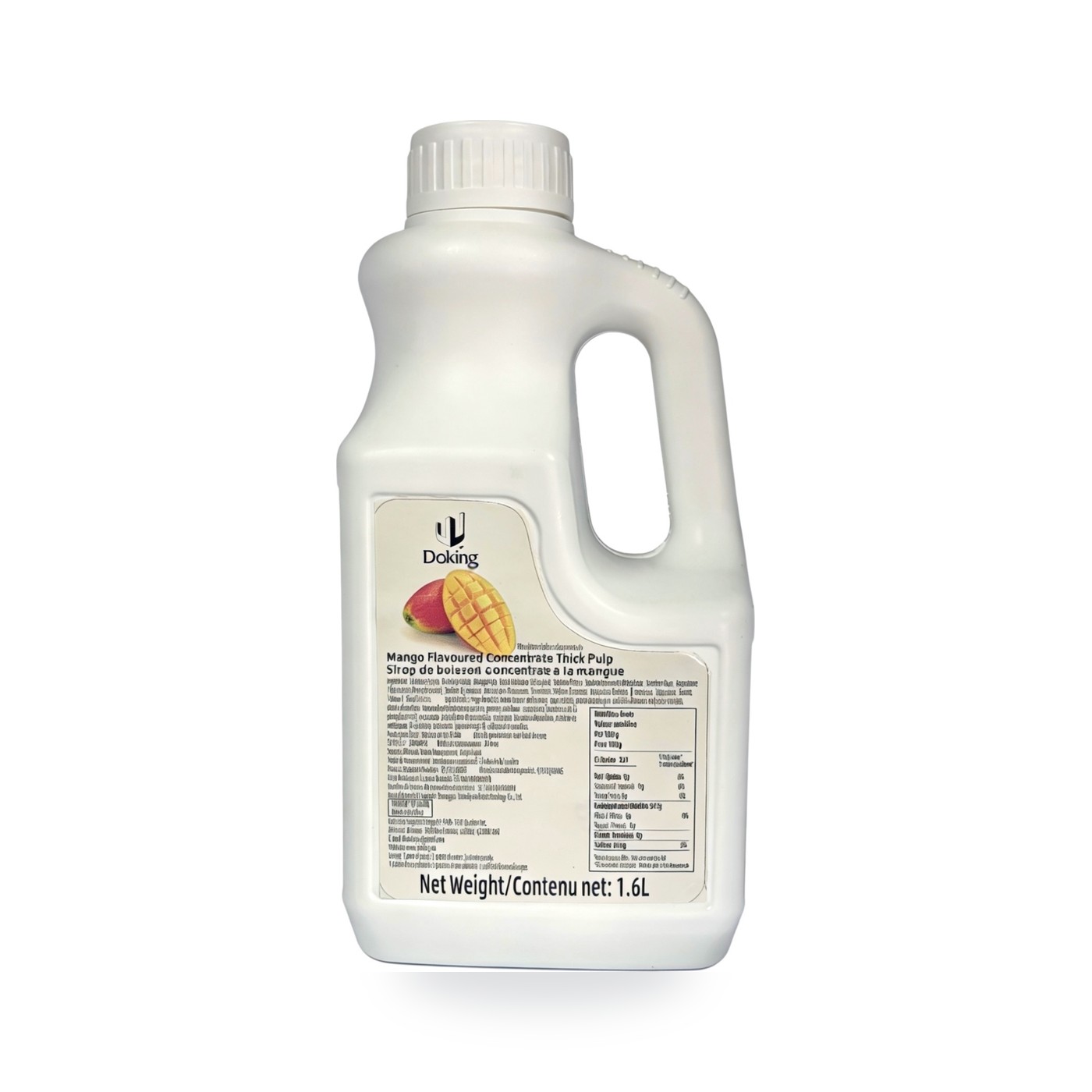
| Mango syrup | 1.6L | $9.95 | $9.50 | Mango fruit tea |
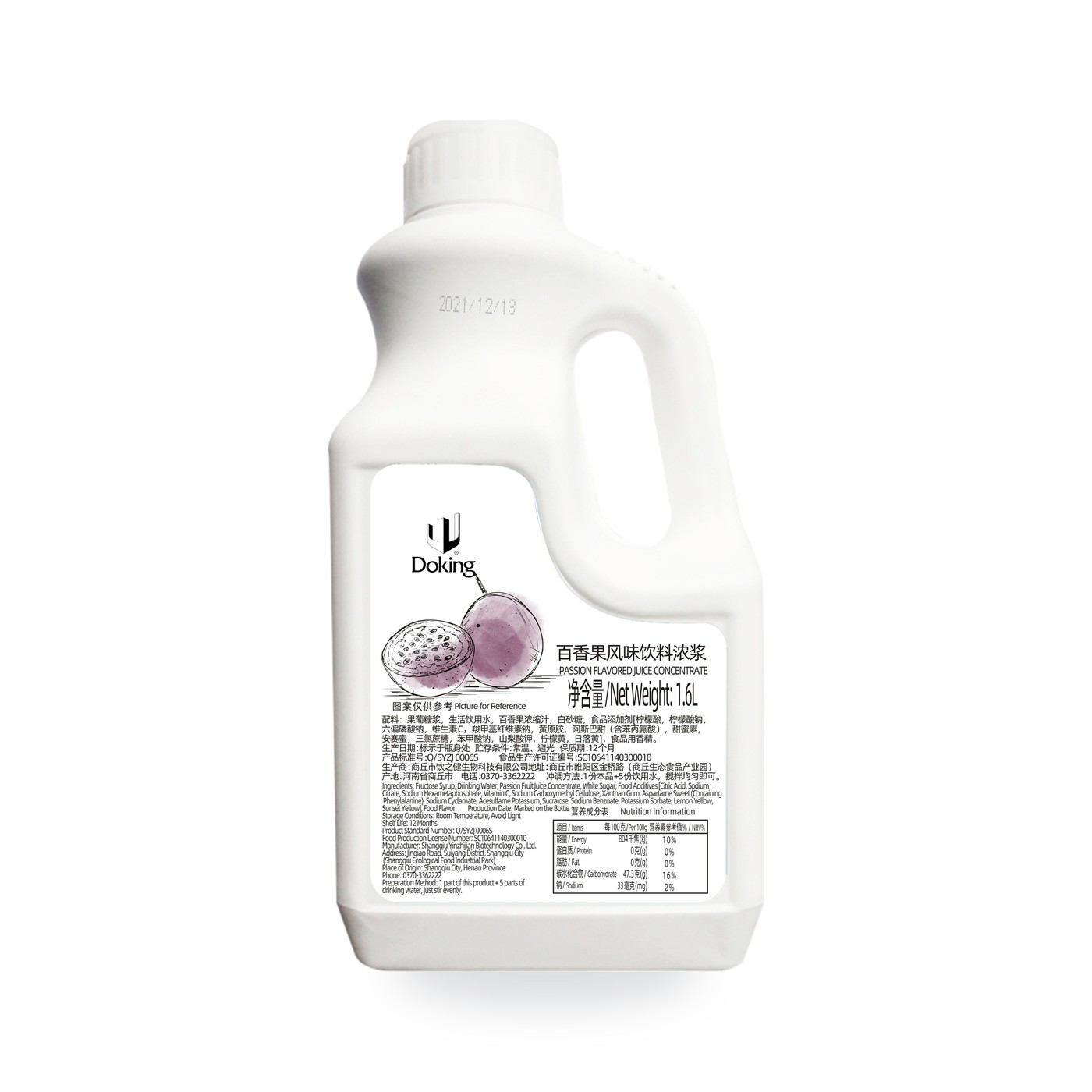
| Passion fruit syrup | 1.6L | $9.95 | $9.50 | Passion fruit fruit tea |
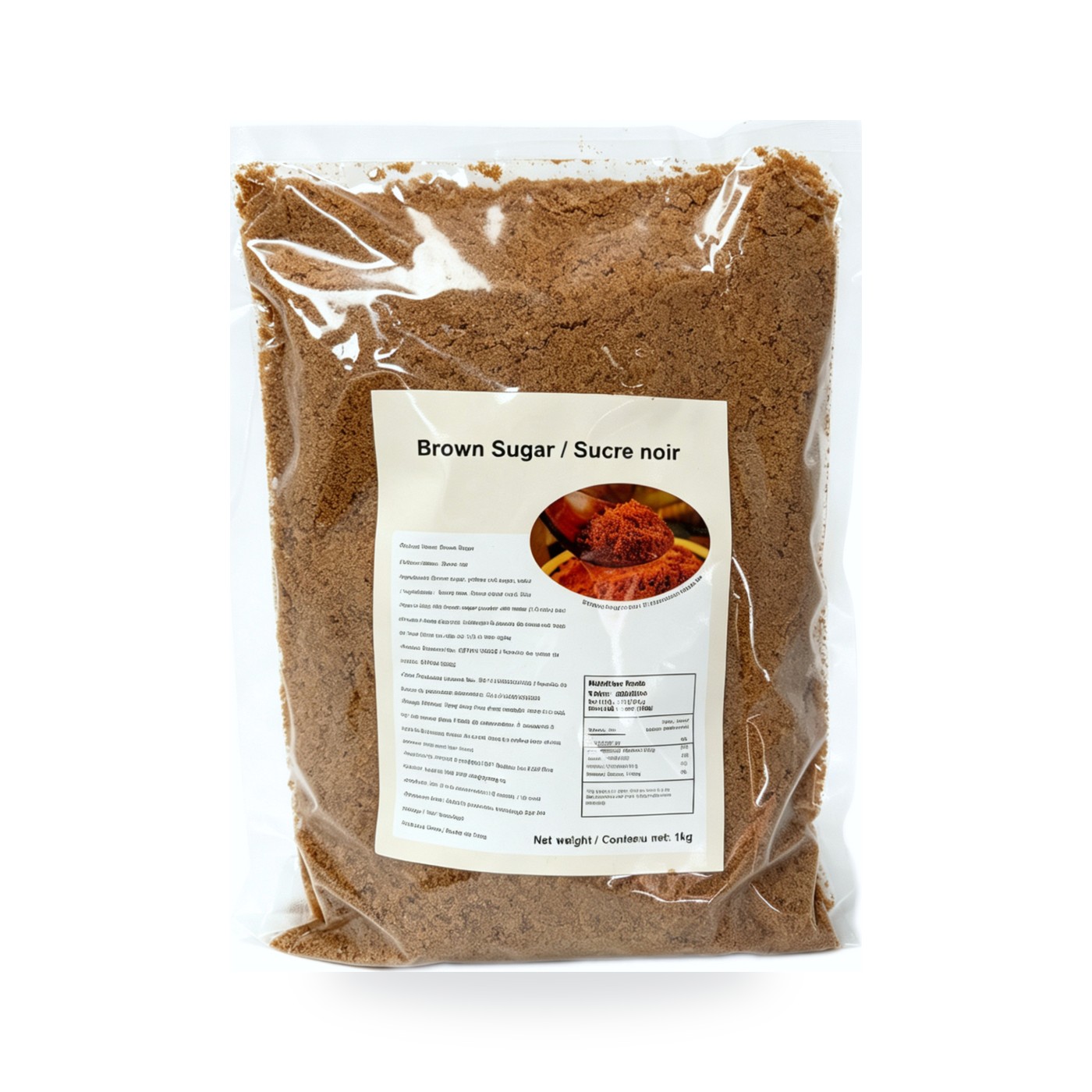
| Brown sugar powder | 1kg | $9.50 | $9.50 | Classic brown sugar milk tea, boba sauce |
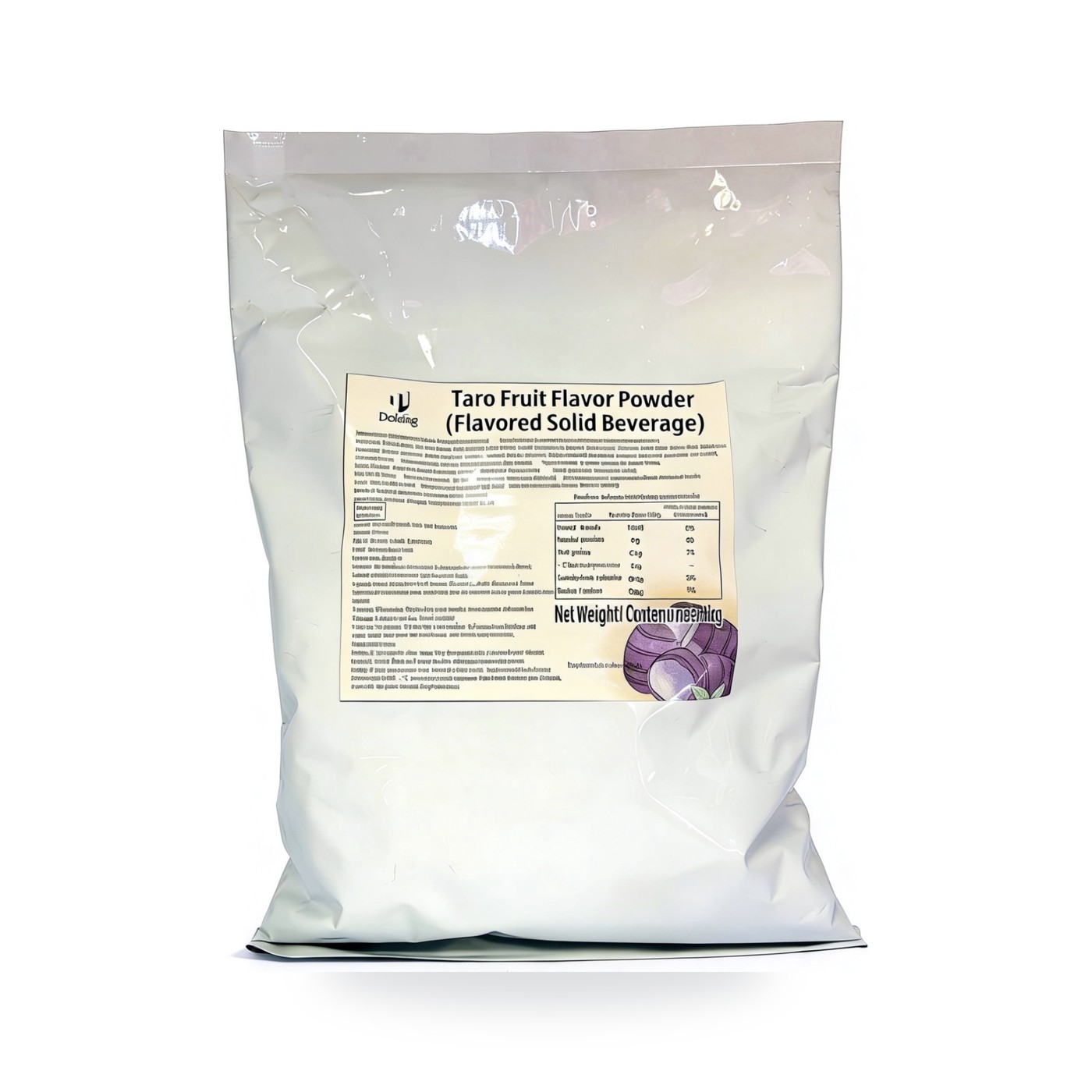
| Taro milk tea powder | 1kg | $8.95 | $8.75 | Second milk tea flavour |
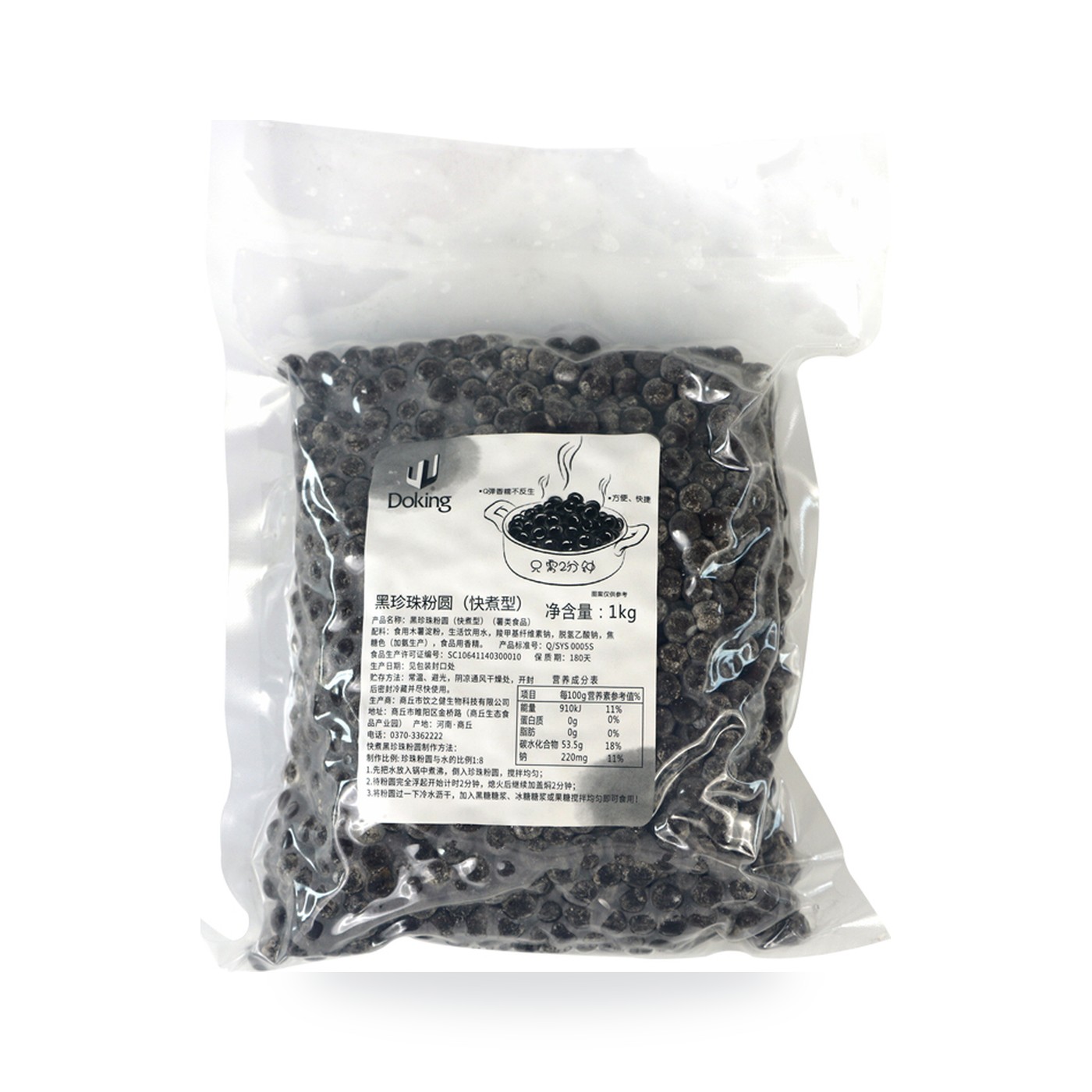
| Black tapioca pearl | 1kg | $3.75 | $3.50 | Chewy topping across every build |
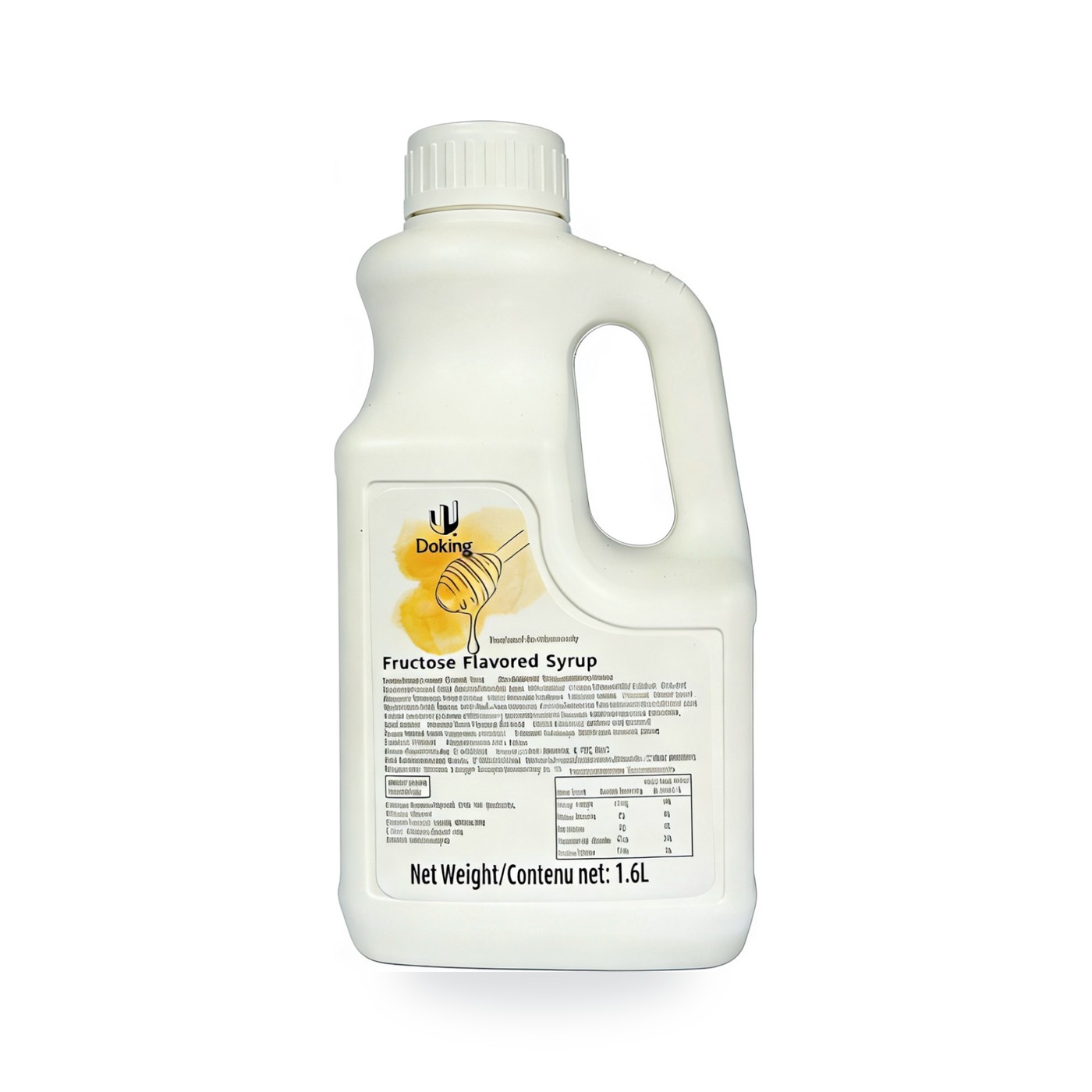
By-case pricing is per province (Ontario or Québec); the national single-unit price is a retail reference only, not the wholesale rate. Round out the base with a fructose syrup for sweetening and a black or green tea if the station is going to brew its own tea rather than run syrup-only fruit teas.
Running it self-serve keeps labour flat
The reason this works for a grill or hotpot kitchen, not just a café, is that none of it adds a per-cup labour step during service:
- Prep once, pour many. Brew the tea base and mix the syrup dispensers before service, the same batch-prep rhythm as a soup base or a sauce station.
- Table self-pours. A dispenser line with cups, ice and a scoop of pearls lets the table build their own drink exactly like they already build their own dipping sauce or banchan plate.
- No barista step. There is no espresso, no milk steaming and no drink-by-drink assembly behind a counter. A line cook restocks the dispensers between table turns.
- Shelf-stable stock. Syrups, powders and dry pearls store for months, so the station can sit half-used through a slow week without a waste write-off.
That combination, self-serve build plus shelf-stable stock, is what keeps a sweet-drink station from becoming a second kitchen station with its own labour line.
Start with two drinks, then expand
Stock the anchor milk tea and one fruit tea first, run the dispenser line for a few weeks, and watch which one the tables actually refill. A classic pearl milk tea and a mango or passion fruit tea cover most of the group split on their own. Once you know which flavour moves, add the second fruit syrup or the taro milk tea powder without having to rebuild the station.
Order the self-serve station starter set
Doking supplies the full self-serve station line-up by the case out of Toronto (Ontario) and Montréal (Québec), with local delivery to GTA and Ontario from the Toronto warehouse and to Montreal, Laval, the South Shore and Québec from the Montréal warehouse. Tell us you are setting up a self-serve drink station for a Korean BBQ or hotpot dining room and we will put together a starter set with samples so your kitchen can test the pour before committing to a full order. Ask for current by-the-case pricing for your province through a quote request.