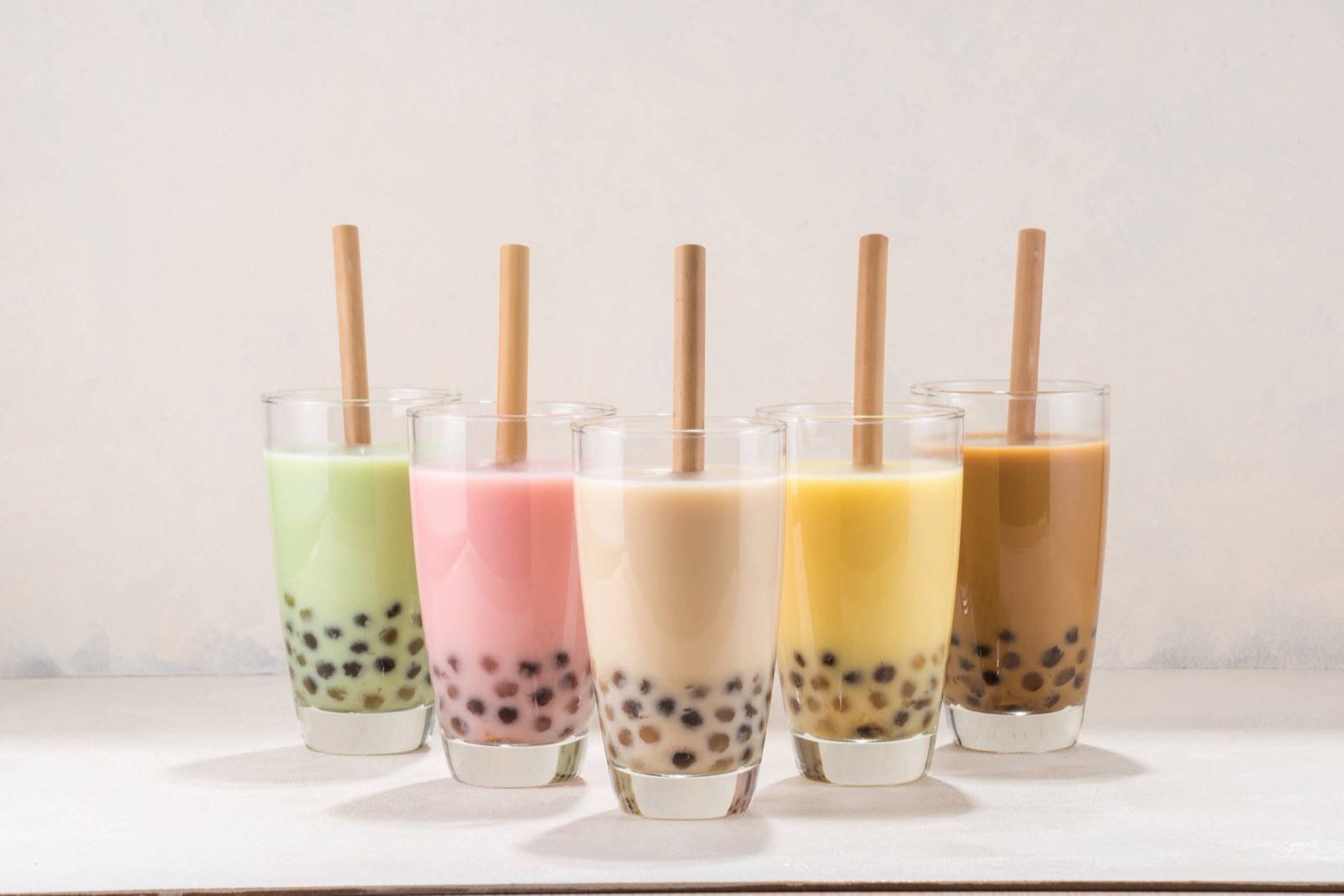
If you sell bubble tea, the single most useful number you can know is what each drink costs you in ingredients. The short answer, using Doking’s own recipe cost cards: a classic pearl milk tea costs about $0.70, a matcha latte about $0.80, a fruit tea about $1.00, and a plain lemonade about $0.30 per 500 ml cup at by-the-case wholesale prices. Here is the full breakdown, the case prices behind it, and how to turn it into your own margin.
Ingredient cost and margin, by drink
These figures come from Doking’s official recipe cards, priced with our by-the-case wholesale list. Cost is ingredients only, per 500 ml cup. Margin is the gross margin on ingredients at a typical menu price.
| Drink | Ingredient cost / cup | Gross margin on ingredients |
|---|---|---|
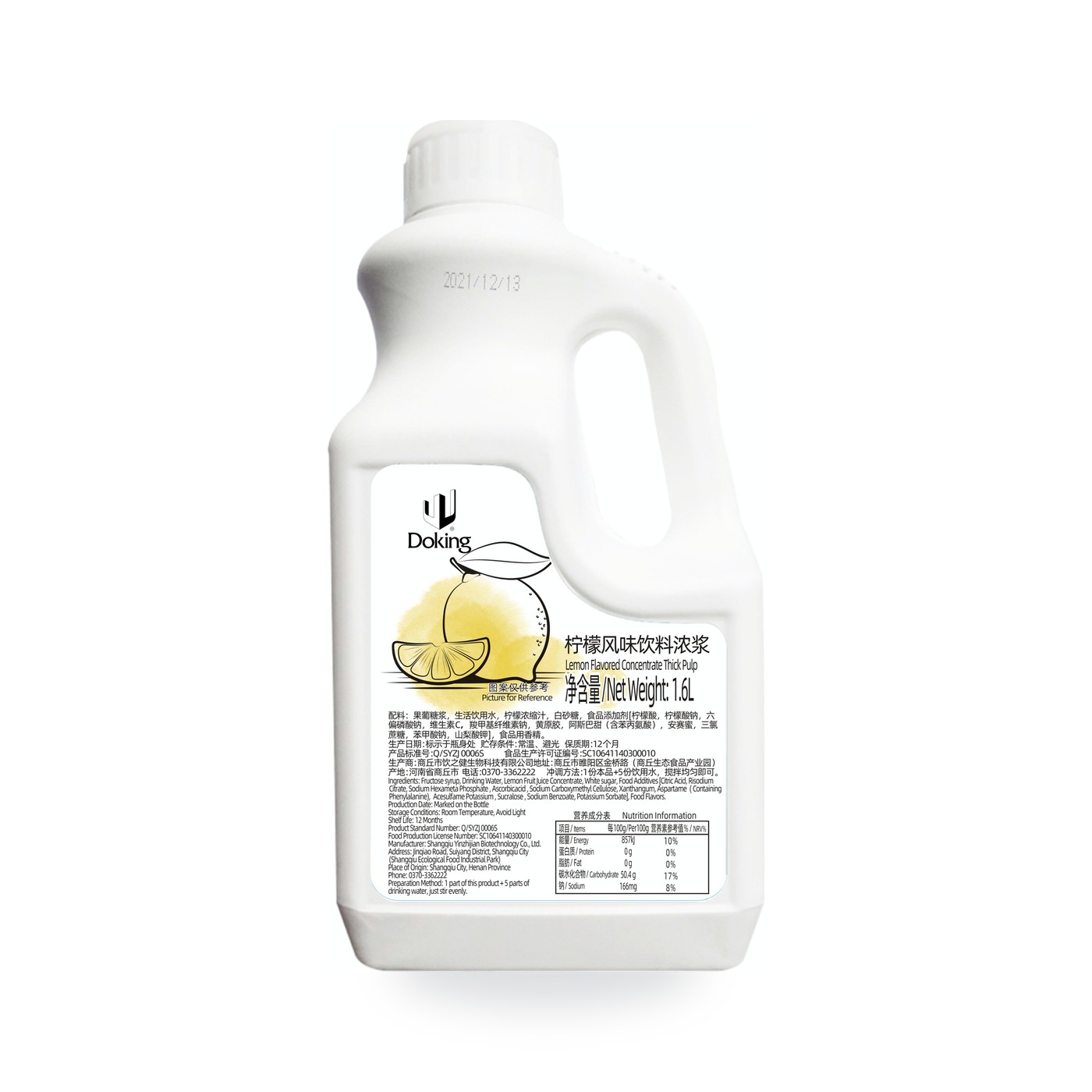
| Lemonade (2 ingredients) | ~$0.30 | ~95% |
| Classic pearl milk tea | ~$0.70 | ~88% |
| Matcha latte | ~$0.80 | ~87% |
| Passion-fruit fruit tea | ~$1.00 | ~83% |
Two things to read from this table. First, the cheapest drink to make is not the tea-heavy one, it is the simple syrup-and-water build. Second, even your most loaded fruit tea still keeps most of the cup as margin. The spread between drinks is what menu design is really about.
What “margin” here does and does not include
The margin column above is ingredient margin: menu price minus what the ingredients cost. It is deliberately narrow, because ingredients are the cost you steer most directly through how you buy.
It does not include labour, rent, cups, lids, straws, card processing or spoilage. Those turn a 90% ingredient margin into a much smaller net margin at the end of the month. So use these numbers to price and compare drinks against each other, not as a promise of take-home profit. Anyone quoting you a single “bubble tea profit margin” without saying what is inside it is skipping the part that matters.
Why the case price is the whole story
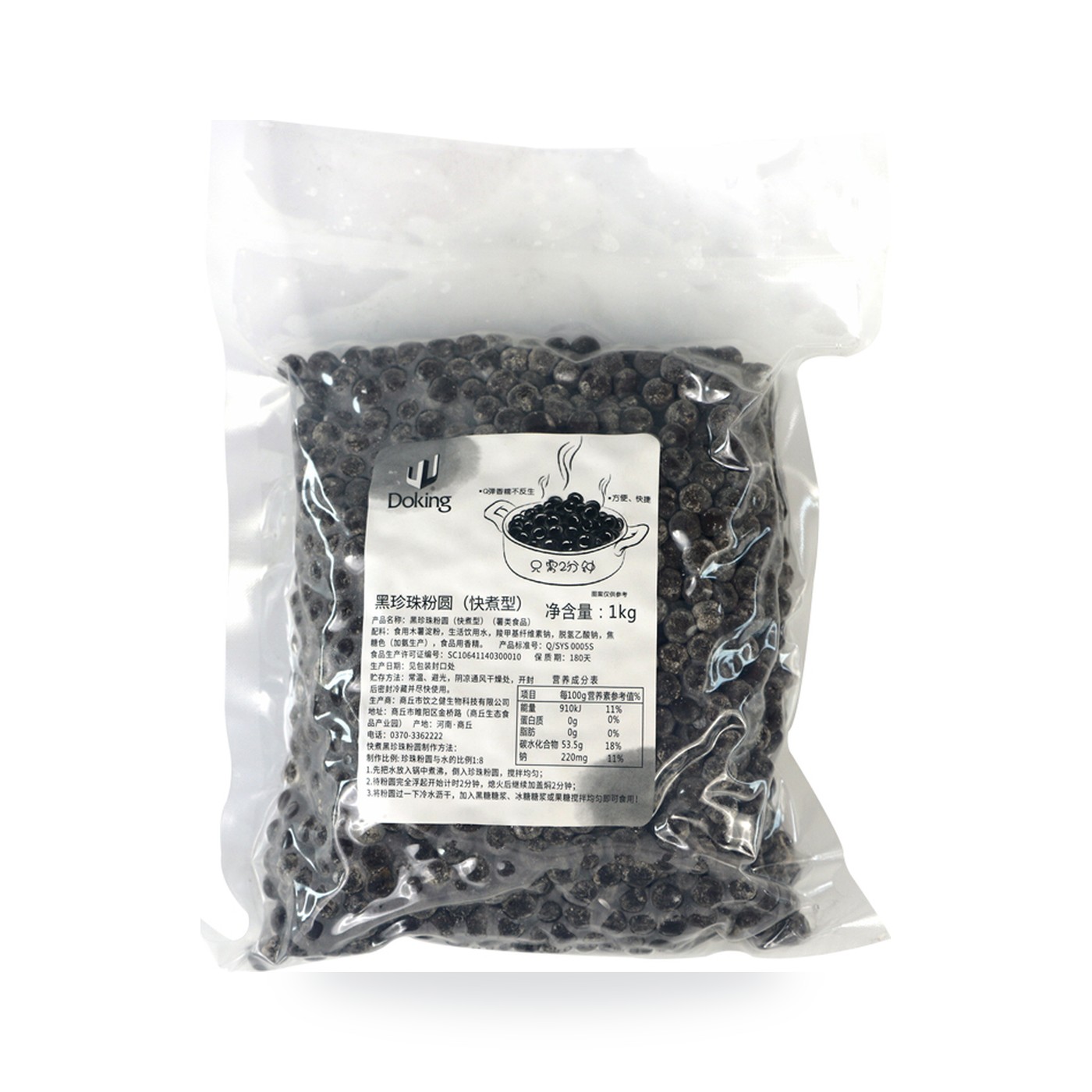
Every per-cup number above depends on buying by the case rather than by the bag. Black tapioca pearl is the clearest example:
- Single 1 kg bag (retail reference): $6.50 per kg
- By the case (20 x 1 kg): about $3.50 per kg in Québec, $3.75 in Ontario
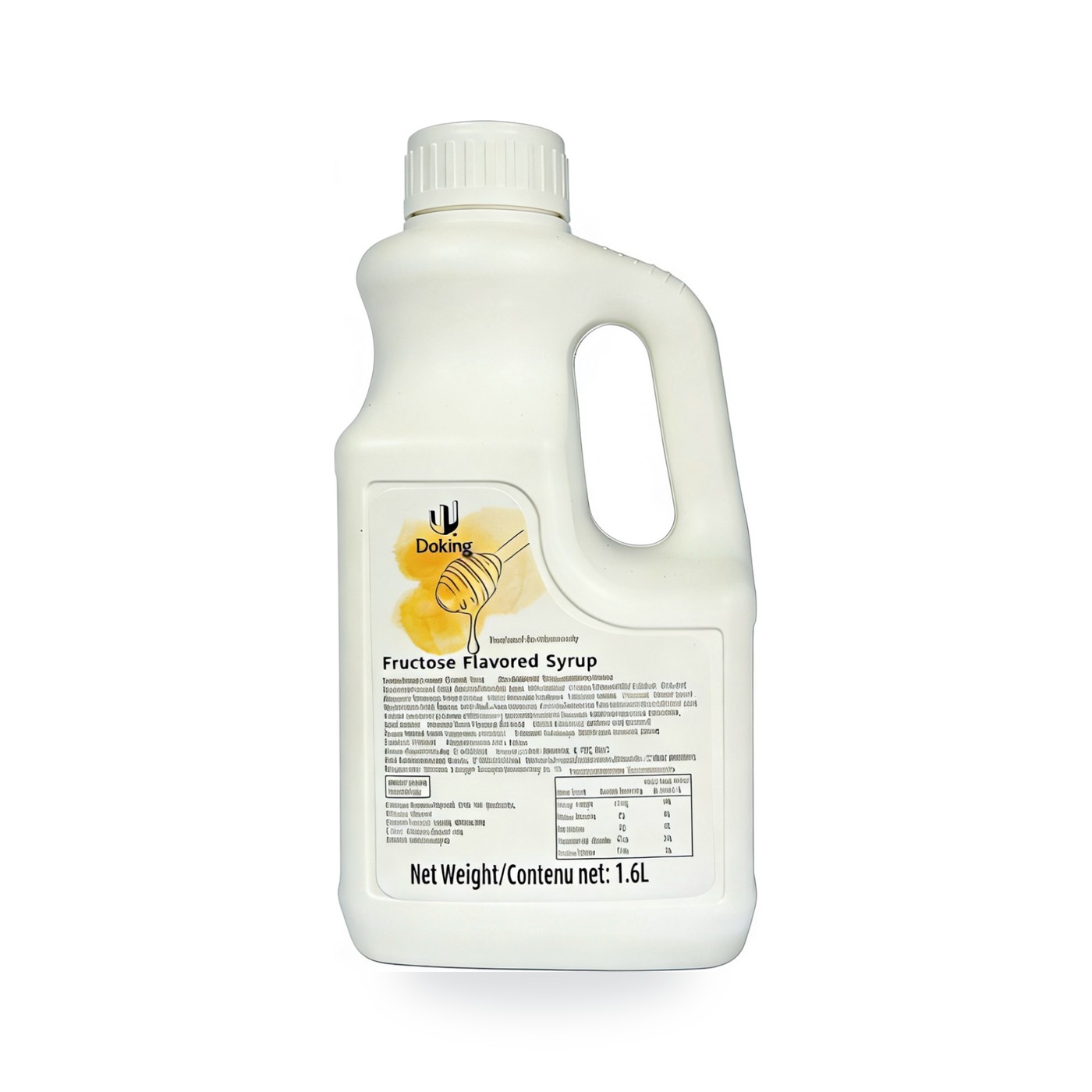
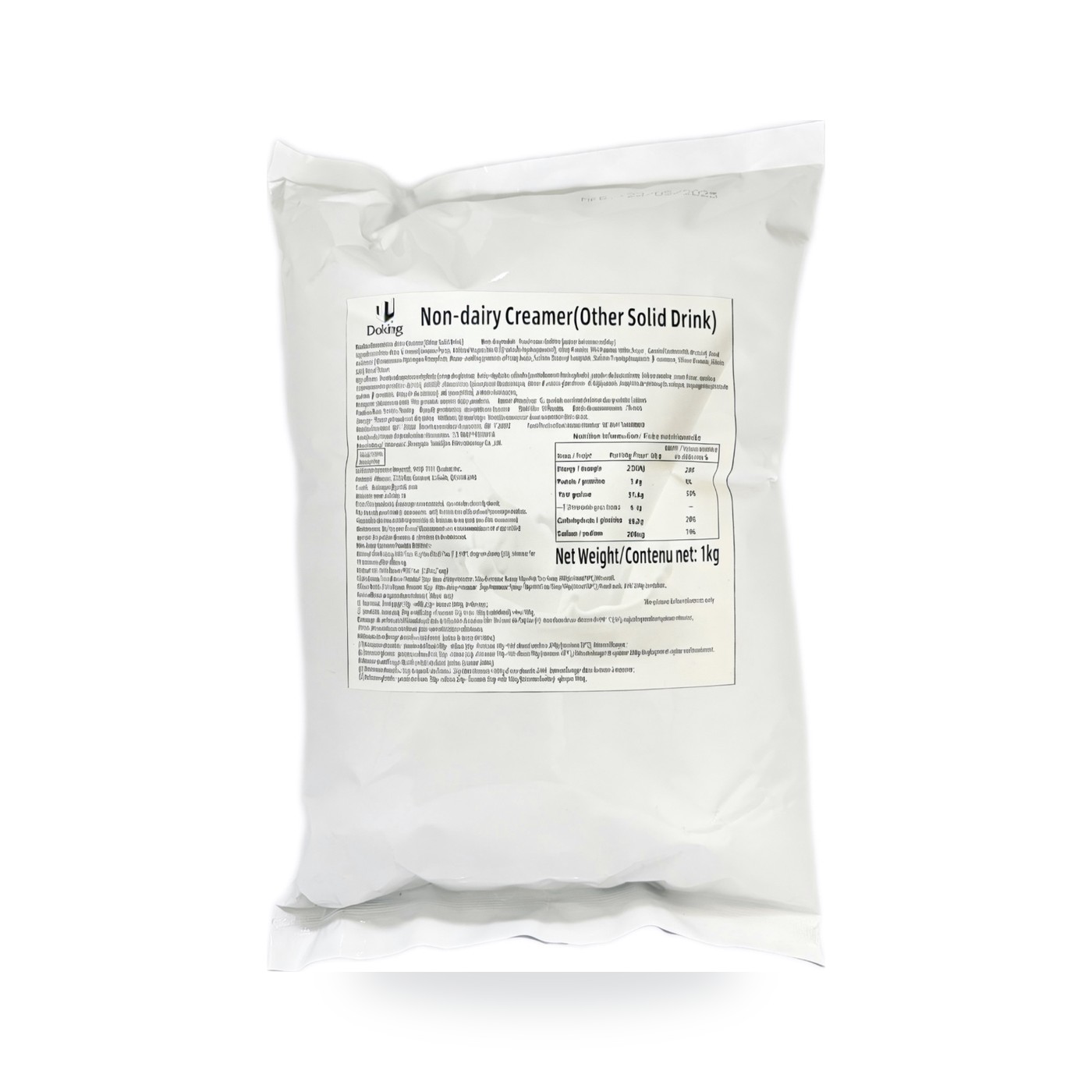
That is close to half the cost for the exact same pearl. The same pattern runs through fructose syrup, non-dairy creamer, tea and toppings. For any ingredient you go through in volume, case pricing pays for itself within days, and it is the only way the margins in the table hold up.
By-the-case wholesale prices are set per province (Ontario and Québec). The single-unit price is a national retail reference, useful mainly to show how much the case saves you.
How to work out your own cost per cup
You do not need our cost cards to do this for your own menu. For each drink:
- Write down how much of each ingredient goes into one cup (weigh a few real pours to get your true average).
- Divide each ingredient’s by-the-case price by how many cups one case yields at that pour.
- Add the per-cup costs together. That is your ingredient cost.
- Subtract it from your menu price for your gross ingredient margin.
Do it once and you will spot which drinks are quietly carrying your menu and which upsells (extra pearls, cheese foam, an extra fruit) barely move your cost but let you charge more.
The takeaway
Across a normal bubble tea menu, ingredients cost somewhere between about 30 cents and a dollar a cup at wholesale, and the drinks hold most of the cup as gross margin. The lever you control is sourcing: buying by the case, close to home, is what keeps those numbers real. If you would like current by-the-case pricing for Ontario or Québec, or samples to cost against your own recipes, we stock locally in Toronto and Montréal.