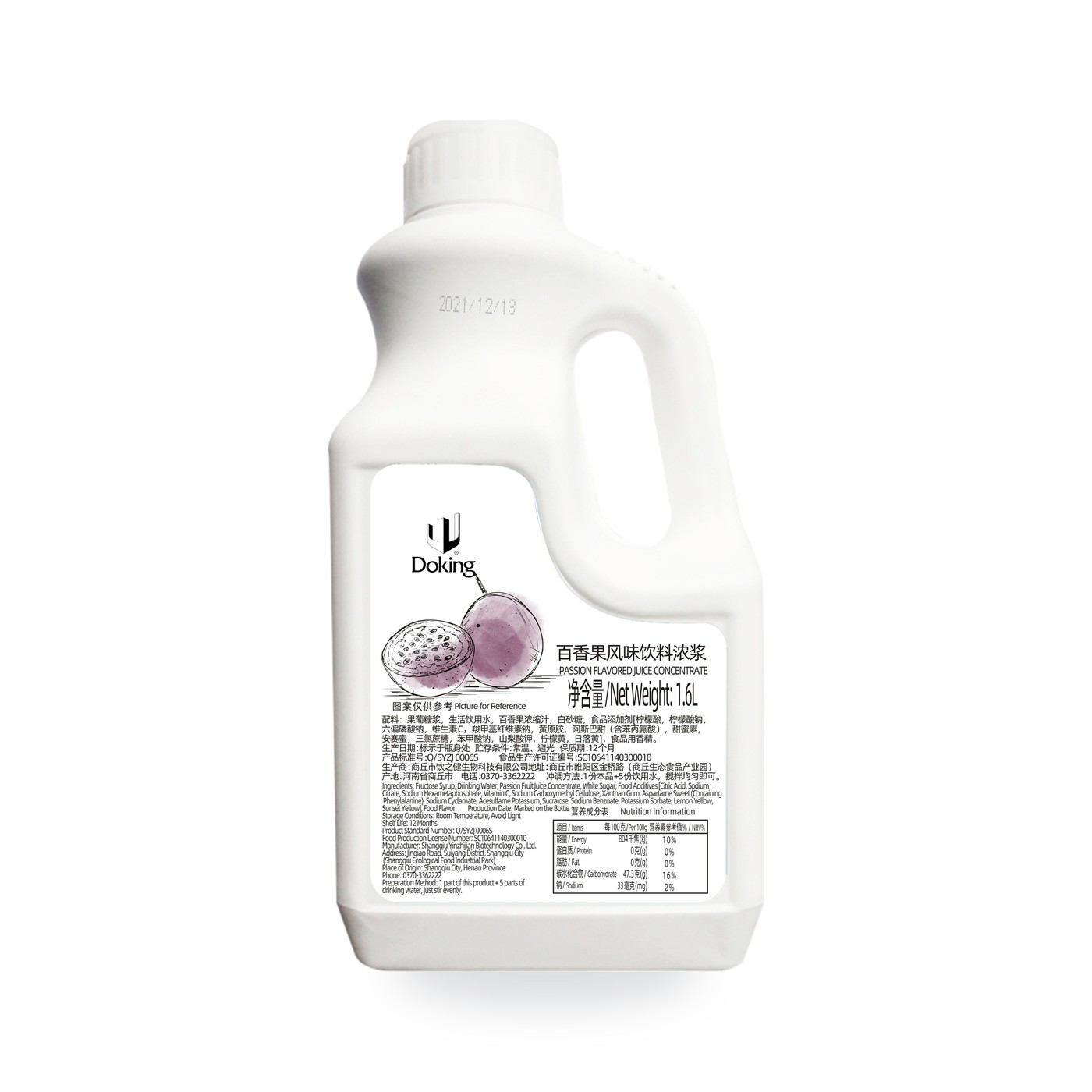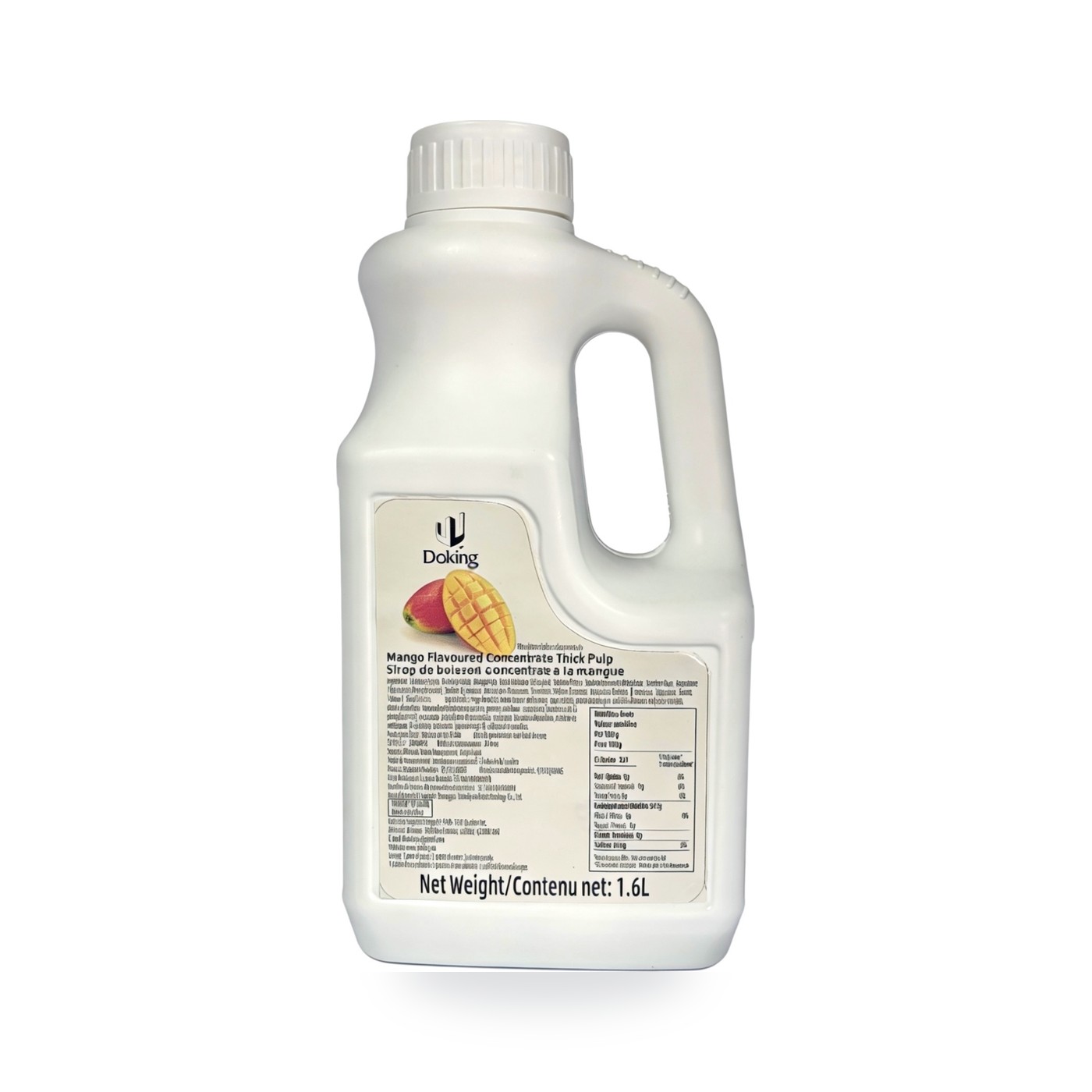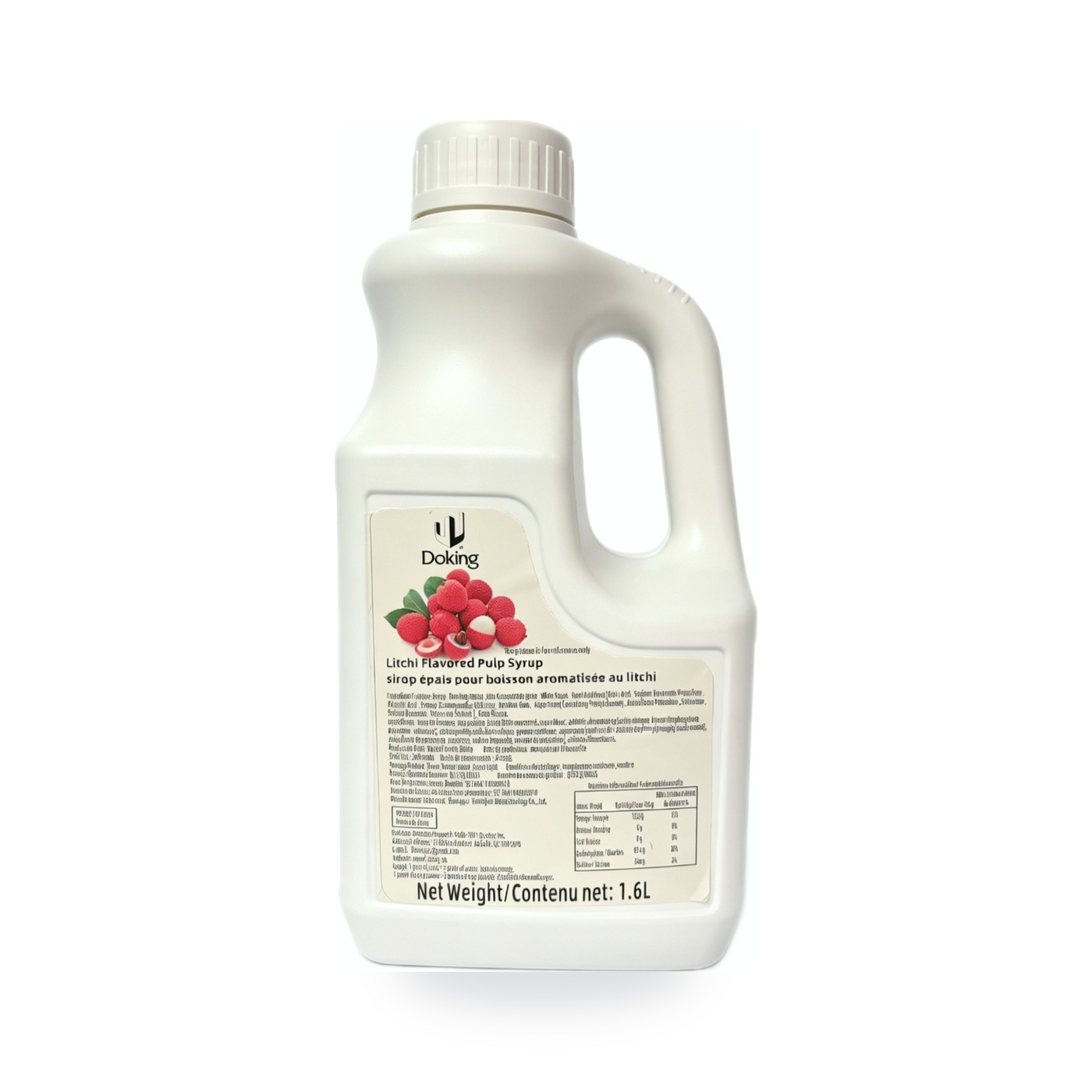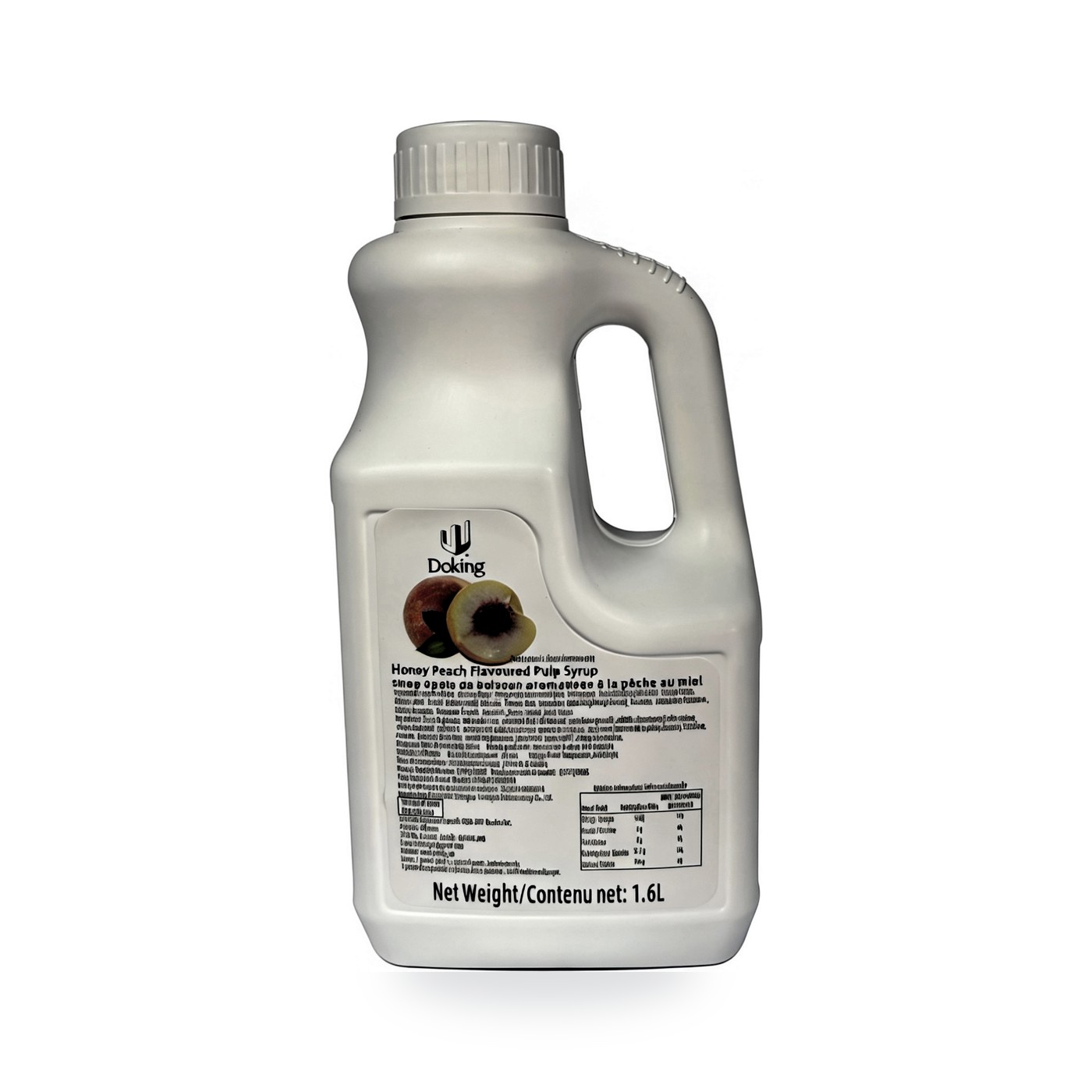
Yes, you can add a full fruit tea section with roughly one shopping list. Start with the drink that sells the case: Doking’s passion fruit double blast costs about $1.00 per 500 ml cup in ingredients and holds roughly an 83% gross margin on ingredients at a normal menu price, straight off our recipe cost card. The build is a fruit syrup, brewed tea or plain water, ice, and a spoon of real fruit bits on top. To cover a menu you need about six fruit syrups (mango, passion fruit, lychee, honey peach, grape and lemon), all at the same by-the-case price, plus at least one real-fruit topping such as canned passion fruit granules. Below is the six-syrup shopping list at one case price, the syrup-plus-topping build, and how to read margin per cup so you price it right instead of guessing.
The six-syrup shopping list
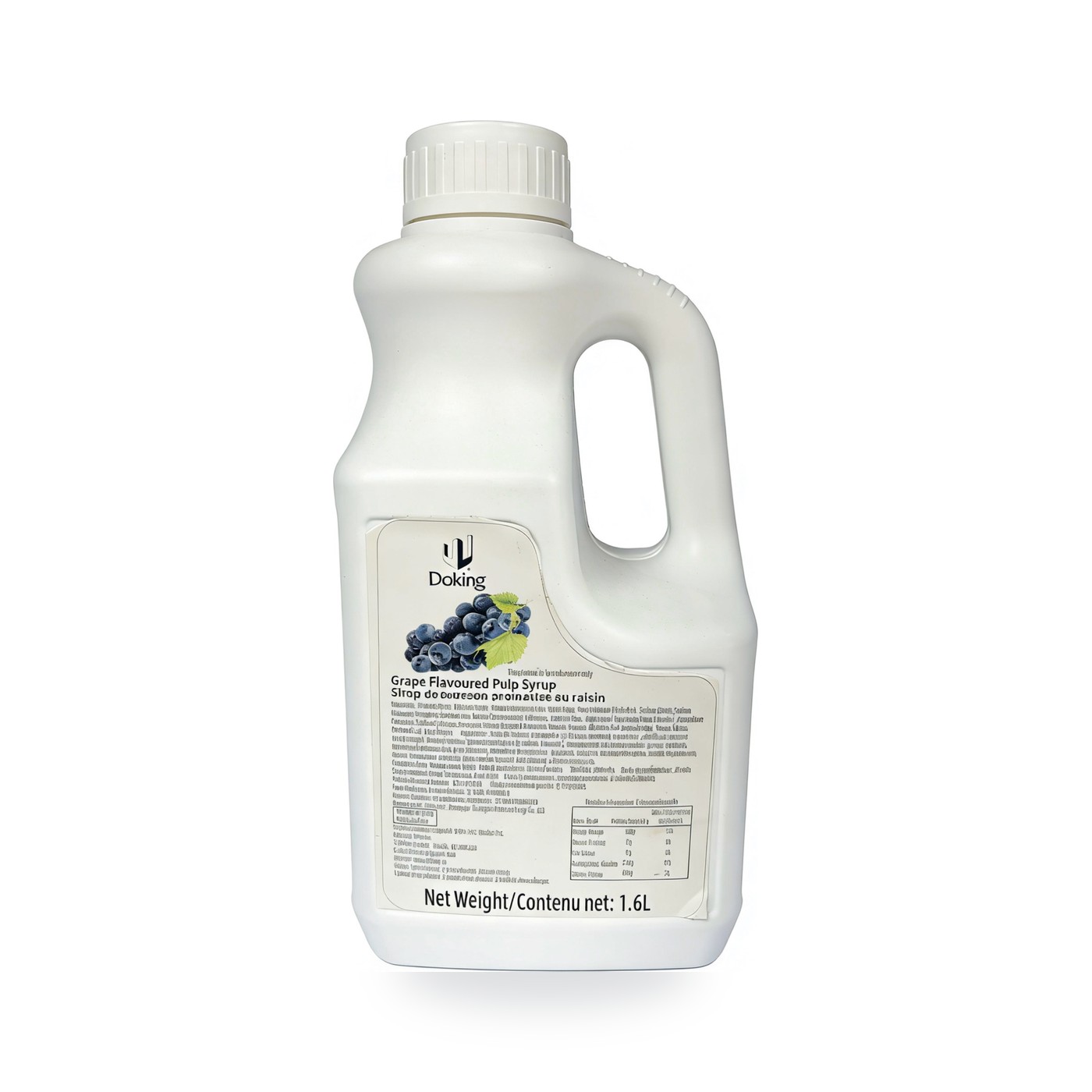
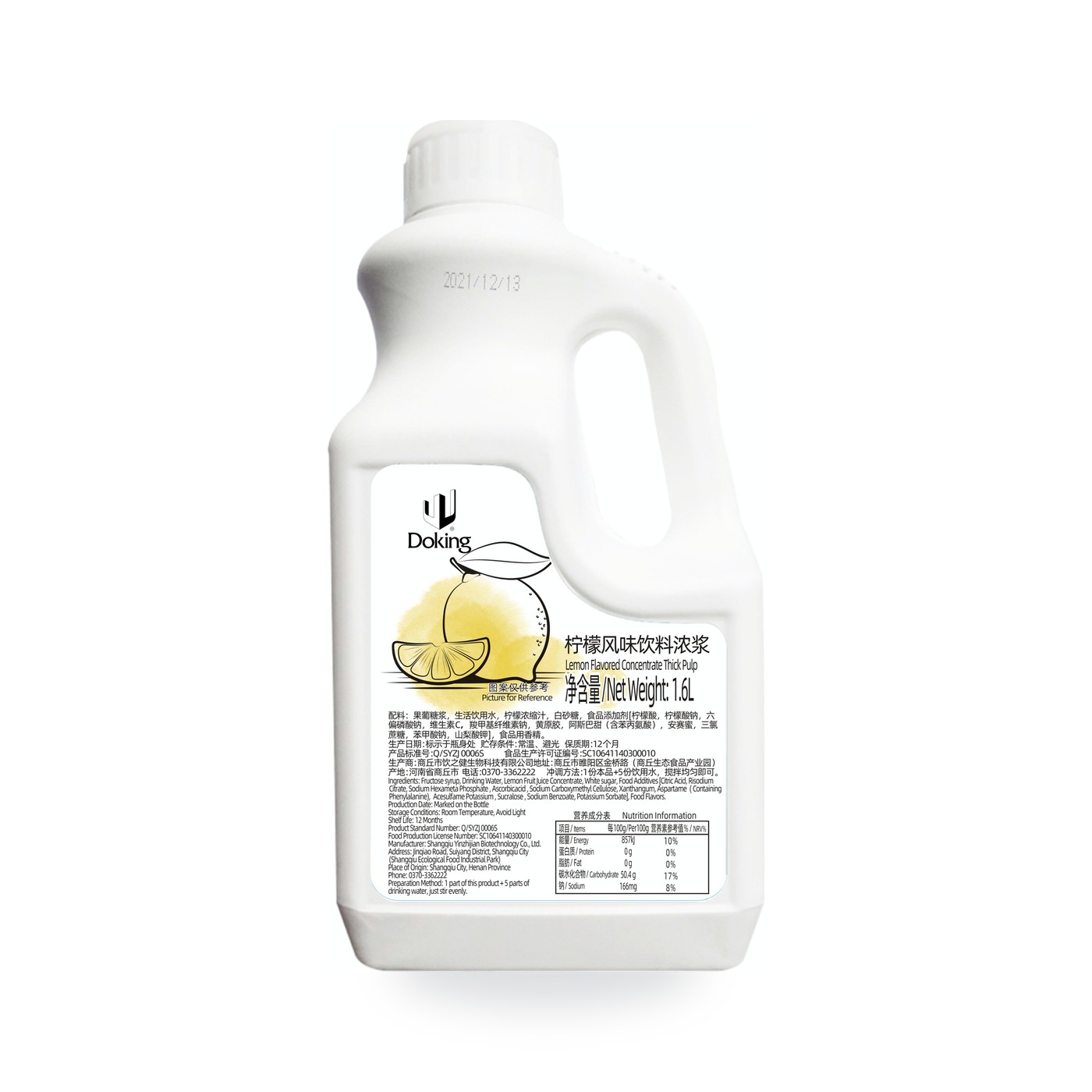
The reason a fruit tea section is easy to launch is that the flavours share one price. Every core fruit syrup below ships in the same 8 x 1.6 L case and lands at the same by-the-case unit price, so you can plan a six-flavour menu on a single number.
| Fruit syrup | Case pack | By-case unit (ON) | By-case unit (QC) | National single |
|---|---|---|---|---|
| Mango syrup | 8 x 1.6 L | $9.95 | $9.50 | $16.50 |
| Passion fruit syrup | 8 x 1.6 L | $9.95 | $9.50 | $16.50 |
| Lychee syrup | 8 x 1.6 L | $9.95 | $9.50 | $16.50 |
| Honey peach syrup | 8 x 1.6 L | $9.95 | $9.50 | $16.50 |
| Grape syrup | 8 x 1.6 L | $9.95 | $9.50 | $16.50 |
| Lemon syrup | 8 x 1.6 L | $9.95 | $9.50 | $16.50 |
Six flavours, one case price. That is enough range for a menu section: a tropical (mango, passion fruit), a floral (lychee), a stone fruit (honey peach), a grape, and a citrus (lemon) that doubles as your lemonade base. By-the-case prices are set per province. The national single price is a retail reference, useful mainly to show how much the case saves you.
The build: syrup plus a real-fruit topping
A fruit tea is two layers. The syrup is the flavour and sweetness you pour into every cup. The real-fruit topping is the visible fruit bits that make it look and drink like a loaded fruit tea rather than flavoured water.
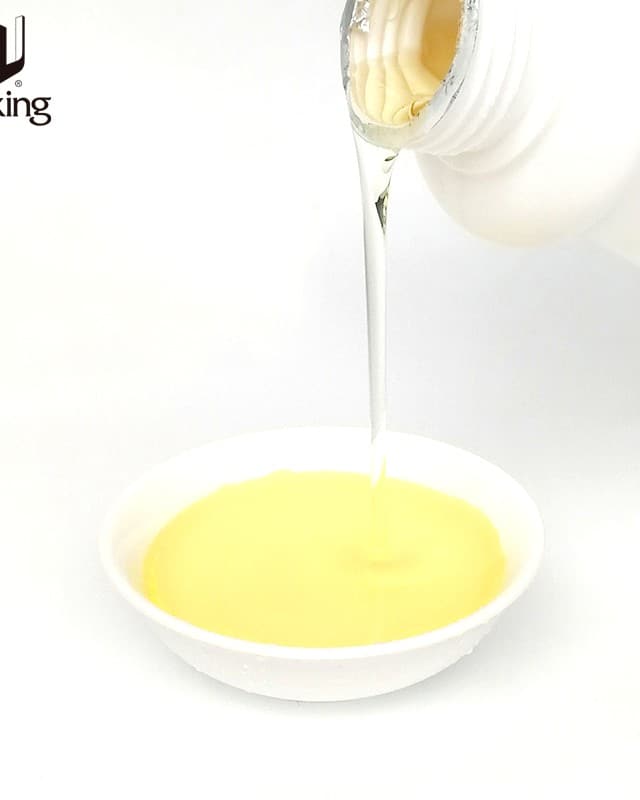
Take the passion fruit double blast. The syrup carries the flavour. The “double” is a scoop of canned passion fruit granules on top, real seeds and pulp you can see through the cup. Built over cold tea or water with ice, that is the whole drink. A 1.6 L jug of passion fruit syrup pours roughly 50 drinks at a 30 ml pour, so the syrup works out to about 20 cents a cup at Ontario by-the-case pricing. The real-fruit topping is what pushes the recipe-card cost to about $1.00 and, more importantly, lets you charge a loaded-drink price for it.
You can mirror the same two-layer build across the menu:
- Mango tea with mango syrup and mango popping boba on top.
- Honey peach tea with honey peach syrup and canned peach granulate.
- Grape tea with grape syrup and grape or popping-boba bits.
- Passion fruit with passion fruit syrup and canned passion fruit granules.
One shelf of syrups, a few cans and tubs of real fruit, and most of a fruit tea board is covered.
Reading margin per cup
Here is where the shopping list turns into money. The figure below is from Doking’s official recipe cost card, ingredients only, per 500 ml cup.
| Drink | Ingredient cost / cup | Gross margin on ingredients |
|---|---|---|
| Passion fruit double blast | ~$1.00 | ~83% |
An 83% ingredient margin means that at a typical menu price near $5.88, the ingredients account for about 17% of the cup and the rest is gross margin before your other costs. The loaded fruit tea is the most expensive drink to build on our cards, and it still keeps most of the cup.
Two things follow for your menu. First, a plain syrup-and-water fruit tea (no real-fruit topping) costs less than the double blast, closer to the roughly 20-cent syrup pour plus your base, so it carries an even higher ingredient margin. Second, the real-fruit topping is a small cost that unlocks a bigger price. The granules add cents, not dollars, and let you list the drink as a premium loaded fruit tea. That gap is exactly what you want on a menu: a cheap upgrade the customer will happily pay more for.
What the margin figure leaves out
The 83% is ingredient margin only: menu price minus what the ingredients cost. It is deliberately narrow, because ingredients are the cost you steer most directly through how you buy.
It does not include labour, rent, cups, lids, straws, card processing or spoilage. Those turn an 83% ingredient margin into a smaller net margin by month end. So use this number to price and compare drinks against each other, not as take-home profit. Anyone quoting a single “fruit tea margin” without saying what is inside it is skipping the part that matters.
Work out your own cost per cup
You do not need our cost card to do this for your own builds. For each fruit tea:
- Weigh a few real pours to get your true average syrup and topping amounts per cup.
- Divide each ingredient’s by-the-case price by how many cups one case or can yields at that amount. A 1.6 L syrup jug is about 50 pours at 30 ml; a 950 g can of granules is about 30 scoops at 30 g.
- Add the per-cup costs. That is your ingredient cost.
- Subtract it from your menu price for your gross ingredient margin.
Do it once and you will see the same thing the cost card shows: the syrup is cheap, the real-fruit topping is a small add, and the loaded drink still holds most of the cup. Buying by the case, close to home, is what keeps those numbers real.
The takeaway
A fruit tea menu is not a big project. It is about six syrups at one case price, a base of tea or water, and a spoon of real fruit on the drinks you want to sell at a premium. The passion fruit double blast shows the ceiling: about $1.00 a cup in ingredients and roughly 83% gross margin, with the real fruit doing the selling. If you would like current by-the-case pricing for Ontario or Québec, or samples of the six syrups and toppings to cost against your own recipes, we stock locally for foodservice in Toronto and Montréal. Ask us for a quote by the case, and about sample availability, before you order.