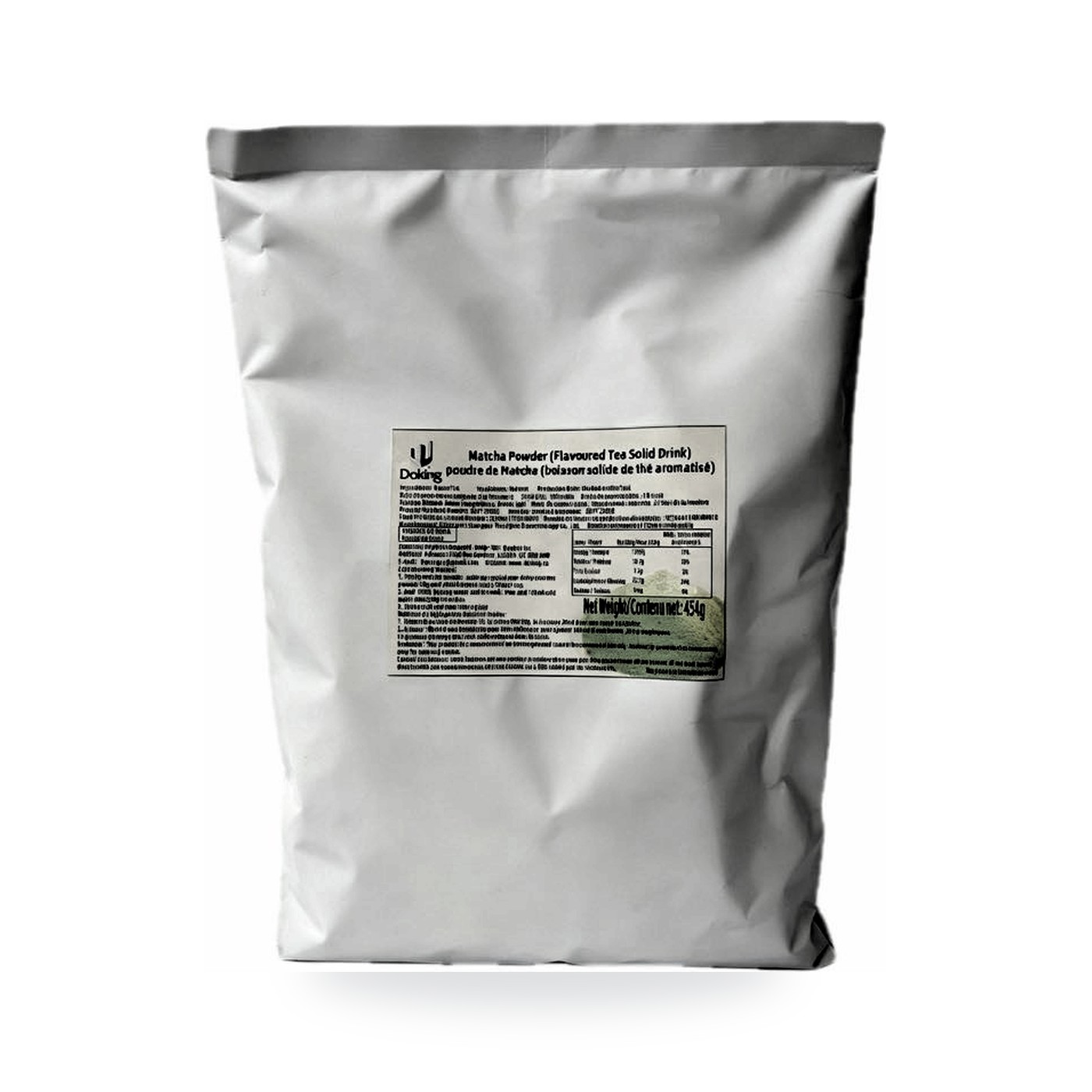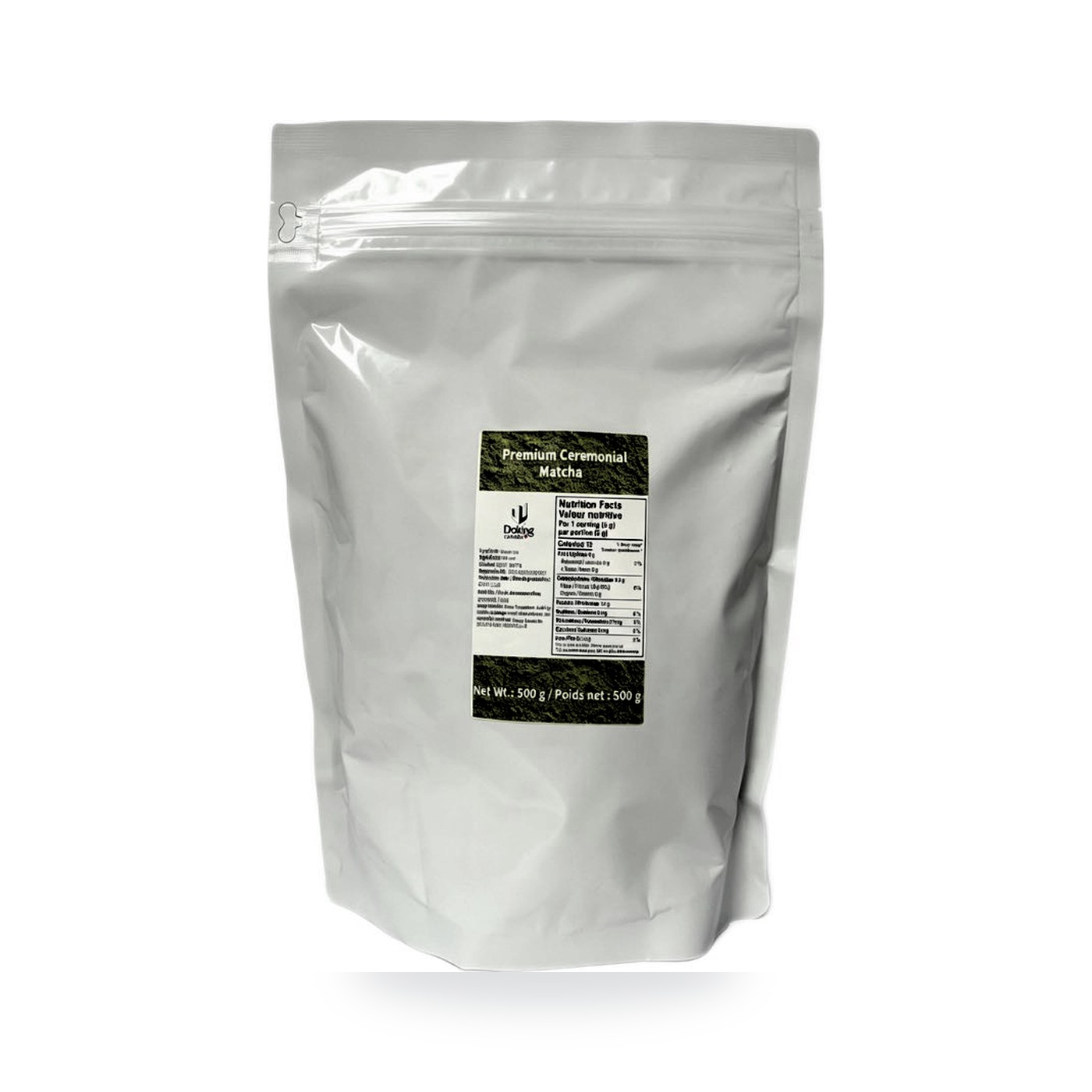
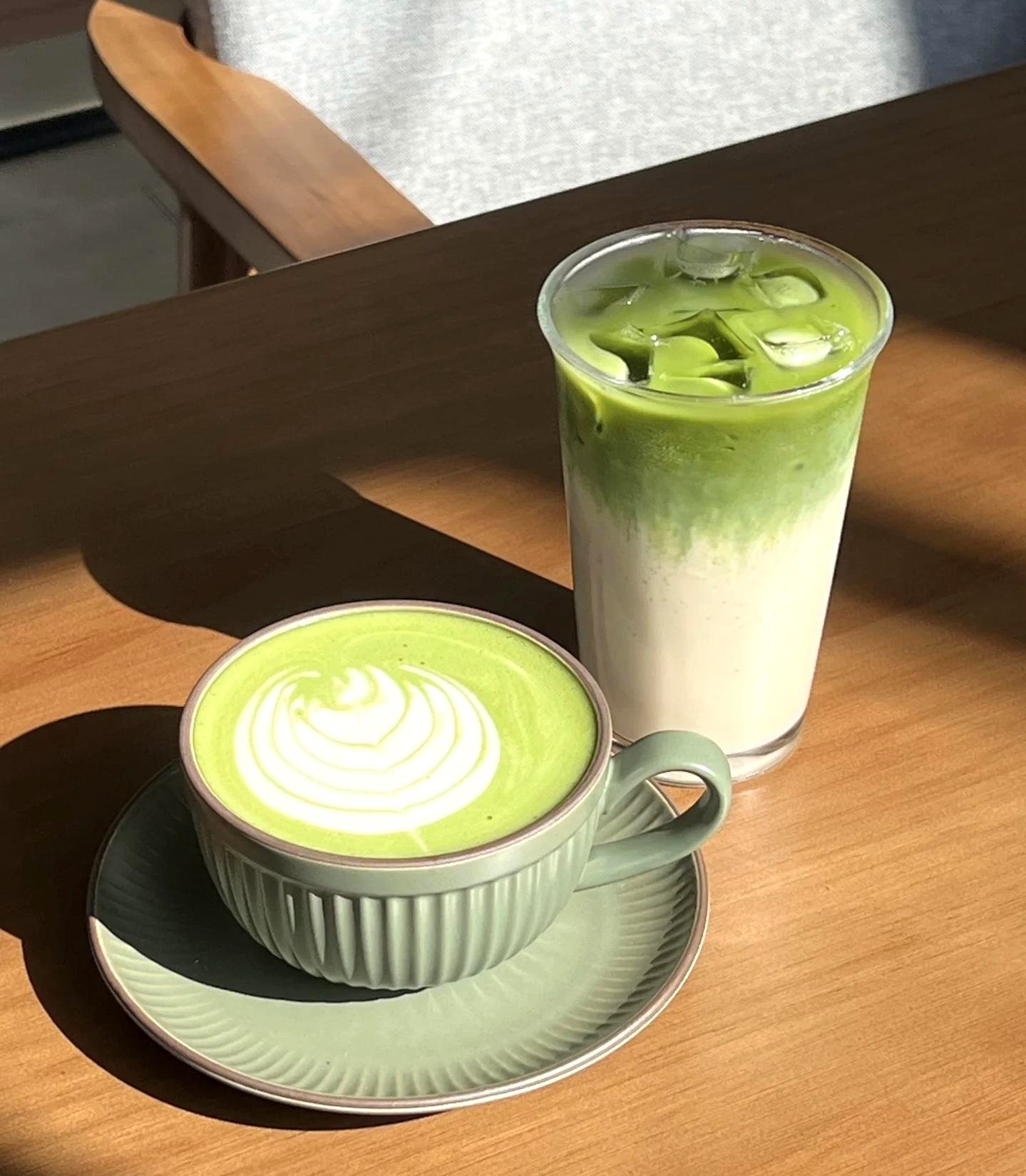
For milk-based drinks, the answer is straightforward: use culinary-grade matcha, not ceremonial. By the case in Ontario, culinary runs about $25 per 454 g against ceremonial at about $75 per 500 g, roughly three times the cost per gram. On Doking’s recipe cost card, a matcha latte built on culinary grade costs about $0.80 in ingredients per 500 ml cup, an 87% gross ingredient margin at a typical $6 menu price. Ceremonial grade is a different product for a different drink: a first-harvest leaf meant to be whisked with hot water and tasted on its own, not blended with milk and ice. Milk masks the nuance ceremonial grade is priced for, so putting it in a latte spends premium money on a flavour difference the customer will not taste through the dairy.
Below is the grade breakdown, the price gap, and the per-drink math, so you can see exactly where the line sits.
Culinary grade vs ceremonial grade: what actually separates them
The two grades are milled from different leaf and made for different uses, not just priced differently for marketing reasons.
Culinary-grade matcha comes from later-harvest leaf, has a more assertive, slightly astringent flavour, and is built to hold its taste against milk, sweetener, ice and heat. It is the correct base for matcha lattes, matcha soft serve, matcha baking and any drink where matcha is one ingredient among several.
Ceremonial-grade matcha comes from the first, youngest harvest of shade-grown tencha leaf, the same premium tier behind the matcha shortage coverage we have written about separately. It is stone-ground finer, has a smoother, sweeter, more delicate flavour, and is meant to be prepared as usucha, whisked with hot water alone and drunk straight. That delicacy is exactly what milk overwhelms. Paying for it in a latte is paying for a quality the cup will not deliver.
If your menu has a straight, whisked matcha as its own item, ceremonial grade is the right call there. For everything blended with milk, culinary grade is not a compromise, it is the correct spec.
The price gap by the case
| Grade | Case unit | Ontario by-the-case price | Quebec by-the-case price | National single-unit reference | Price per gram (ON case) |
|---|---|---|---|---|---|
| Culinary grade | 454 g | $25.00 | $25.00 | $39.00 | ~$0.055/g |
| Ceremonial grade | 500 g | $75.00 | $75.00 | $105.00 | ~$0.150/g |
Two things stand out. First, culinary and ceremonial are priced flat nationally by the case in both Ontario and Quebec, so the comparison holds no matter which warehouse you order from. Second, ceremonial grade is close to three times the per-gram cost of culinary, before you factor in that a milk-based drink also dilutes whatever flavour premium you paid for.
By-the-case wholesale pricing is set per province (Ontario and Quebec); the single-unit figures above are the national retail reference, shown mainly to size the case discount.
What a matcha latte actually costs, by grade
Doking’s official recipe cost card prices the matcha latte at roughly $0.80 per 500 ml cup in ingredients, an 87% gross ingredient margin at a $6 menu price, when built on culinary-grade matcha with a non-dairy creamer base and a touch of fructose sweetener. That $0.80 covers the matcha, the milk base and the sweetener together, not the matcha alone, and it is the number that makes a matcha latte one of the stronger-margin drinks on a typical menu, alongside classic pearl milk tea (~$0.70, 88%) and well ahead of a passion-fruit fruit tea ($1.00, ~83%).
Swap culinary for ceremonial in that same recipe and only the matcha line moves, but it moves by roughly three times. On a typical 5 to 6 g serving, that is a difference of a few tens of cents per cup, not pocket change once you are pouring dozens of lattes a day, for a flavour edge the milk and sweetener mostly cancel out. The margin math only works one way: culinary grade for the latte, ceremonial grade reserved for a straight matcha item priced to match its cost.
Sourcing both grades
If matcha lattes are on your menu, culinary-grade matcha by the case is the ingredient to build around, alongside non-dairy creamer for the milk base. If you want to add a premium straight-matcha item, ceremonial-grade matcha is available by the case as well, priced to reflect the leaf.
Get the right grade on your shelf
Doking stocks both culinary and ceremonial-grade matcha by the case, held locally in Toronto (Ontario) and Montreal, Laval and the South Shore (Quebec) for foodservice buyers, so you are not waiting on an overseas import to restock your matcha line. Ask us for current by-the-case pricing for your province, or request a sample of the culinary grade to test in your own latte recipe before you commit to a case.