Matcha went from a specialty ingredient to a mainstream café staple faster than Japan could grow the leaf for it, and the result is a genuine supply crunch. Café-grade prices have climbed sharply, and some importers report waits stretching into months. The short version for a shop owner: the shortage is real, it hits ceremonial grade hardest, and you can keep your matcha latte margin steady by using culinary-grade matcha bought by the case, close to home.
What is actually driving it
Matcha is milled from tencha, a shade-grown green tea leaf that only a limited number of Japanese farms produce. Demand has surged worldwide, and supply simply cannot catch up on a short timeline.
Trade reporting through 2025 and into 2026 describes the squeeze clearly. Japan’s green tea exports rose sharply in volume as overseas demand pulled leaf out of the country, and wholesale tencha prices made their steepest year-over-year jump in memory, with Kyoto tencha reported up around 265% between 2024 and 2025, according to Supply Chain Dive. Underneath the demand spike is a slow-moving supply problem: Japan’s tea-farming base has aged and shrunk over the past two decades, and a new tea plant takes four to five years to reach maturity. You cannot plant your way out of this shortage in a single season.
The numbers above come from trade and news coverage of a fast-moving situation, so treat them as the direction of travel rather than fixed figures. The trend is not in doubt: less supply, more demand, higher prices.
Why the grade you buy matters
Here is the part that matters most for your margin, and that a lot of the coverage skips: the shortage is not evenly spread across grades.
The sharpest increases hit ceremonial-grade, first-harvest tencha, the premium leaf specialty drinkers want to sip on its own. That is the scarce, high-demand tier. Culinary-grade matcha, the kind that goes into lattes, smoothies, soft serve and baking, does not depend on that top-flush leaf and is more insulated from the worst of the price spikes.
For a café, that is good news. The right product for a matcha latte was always culinary grade, because the milk, sweetener and ice carry the drink and ceremonial nuance is wasted in the cup. So the smart sourcing choice and the cost-protecting choice are the same one.
What a matcha latte actually costs you
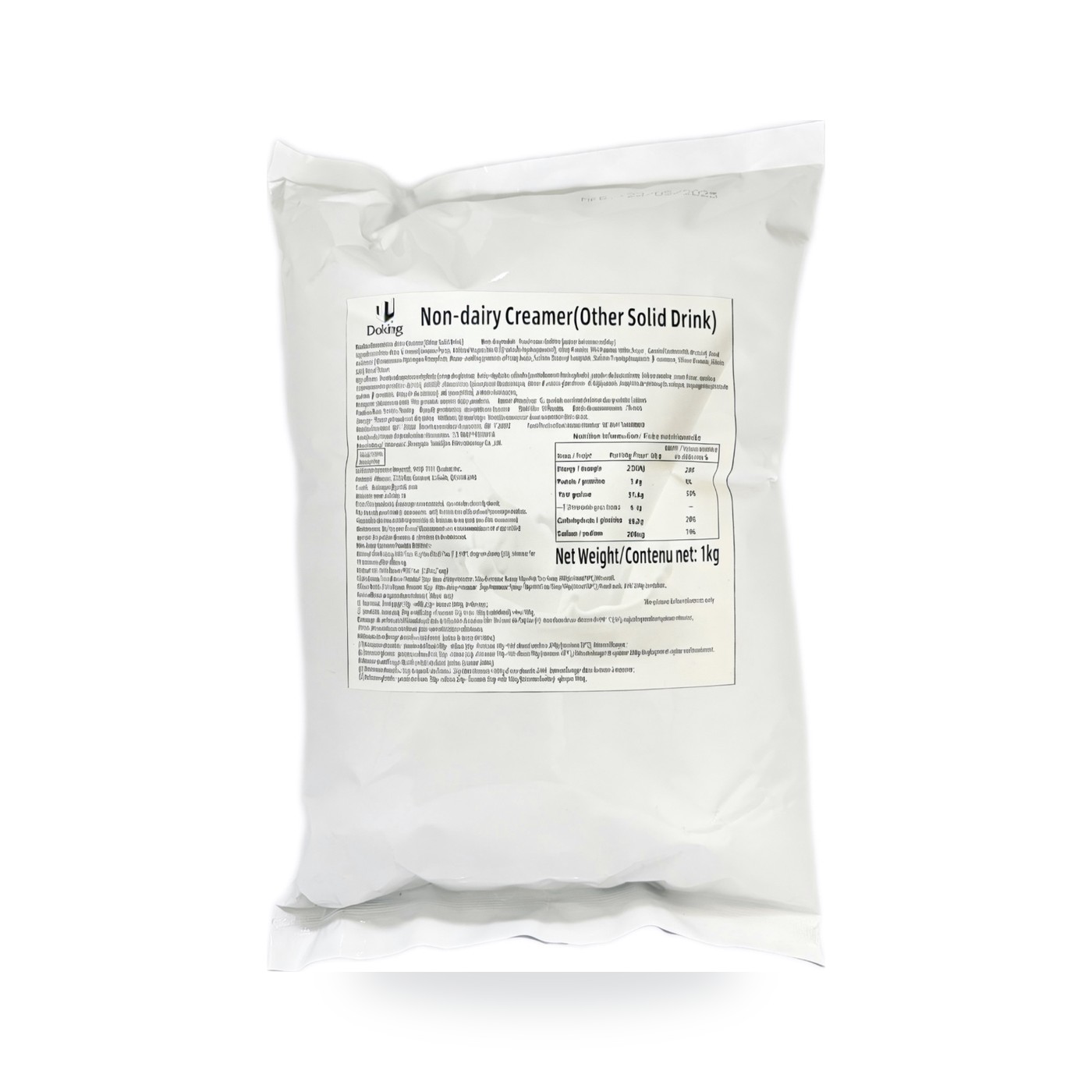
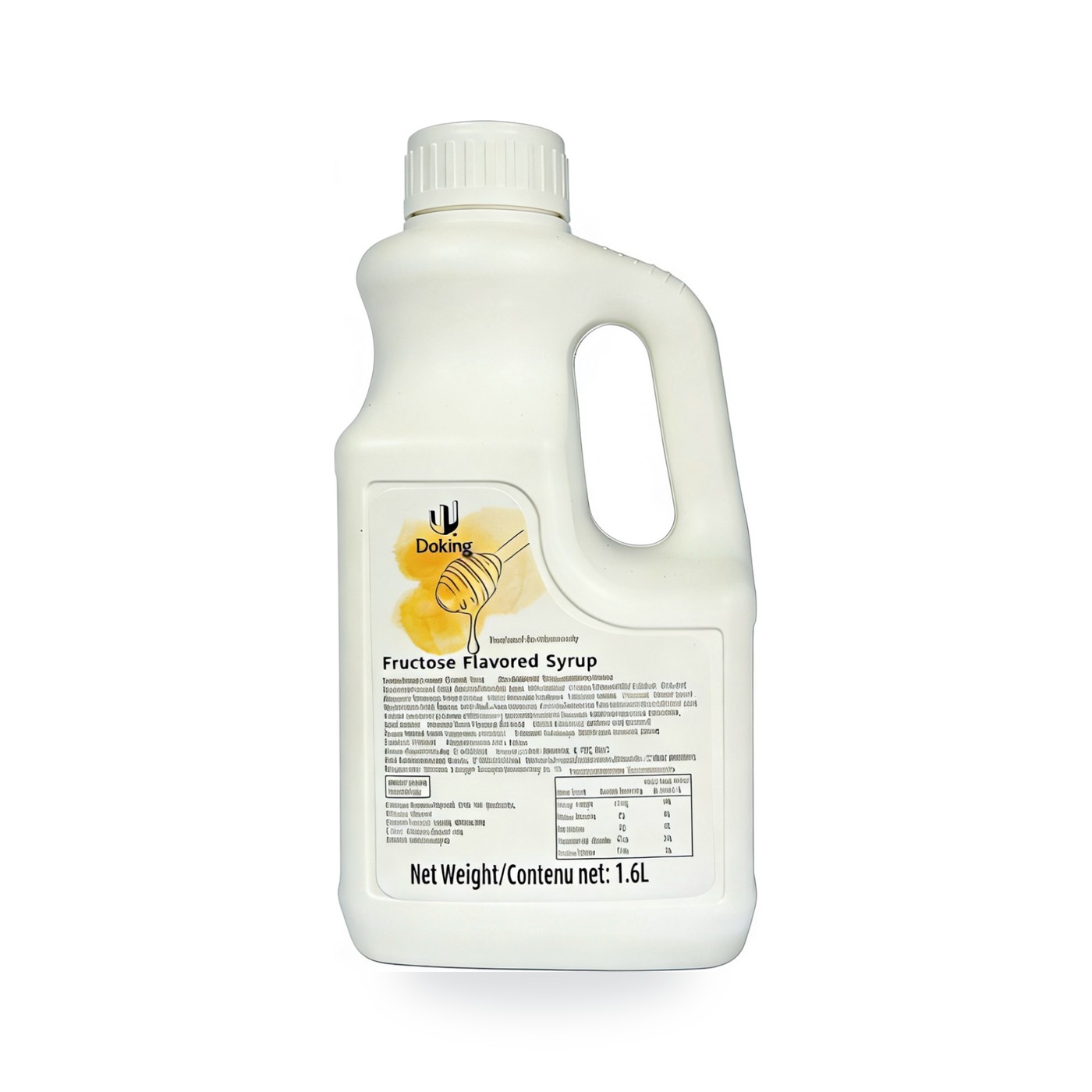
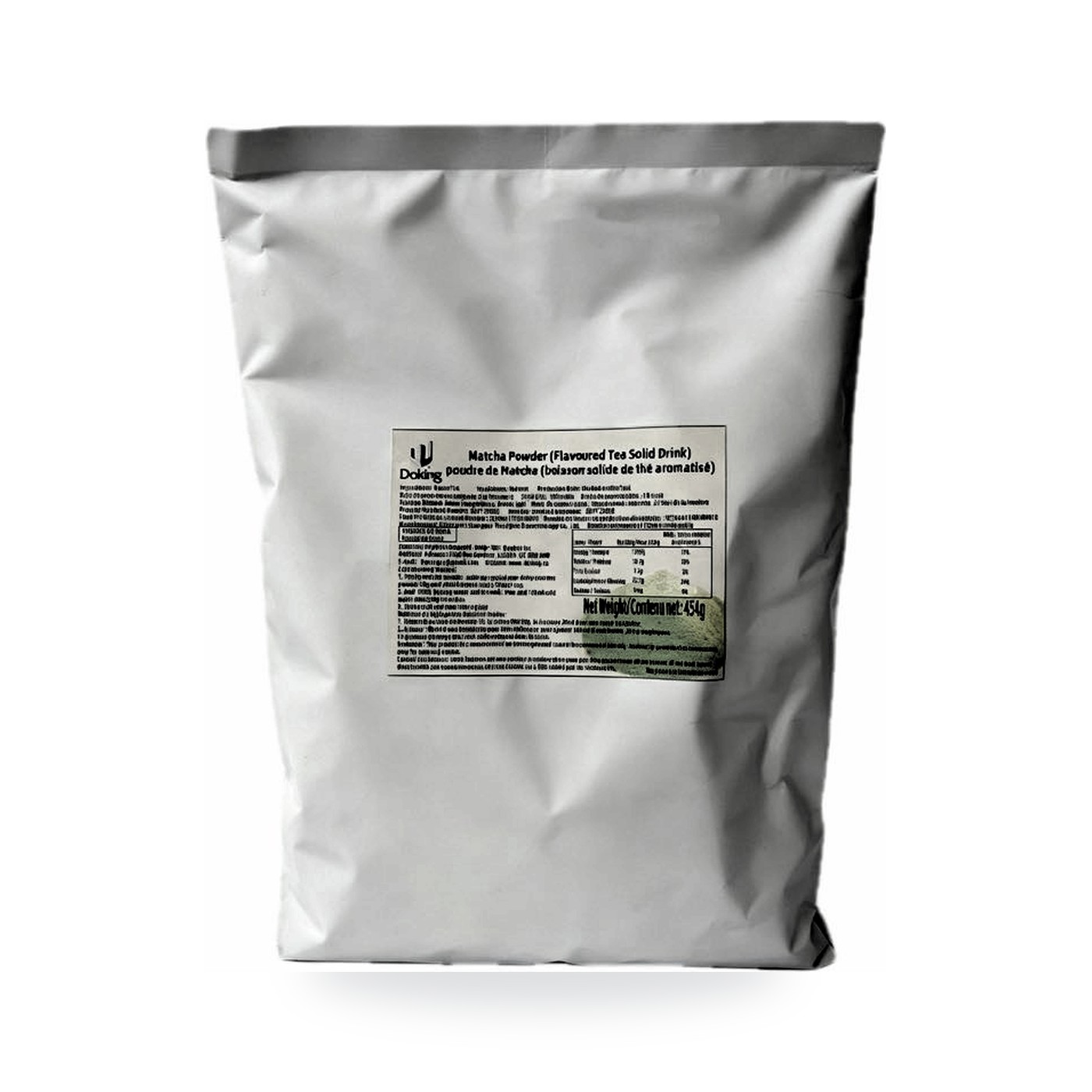
At Doking’s by-the-case culinary matcha price, a 6 g serving is roughly 30 cents of matcha per drink. Built out with milk base and a touch of fructose, the full matcha latte lands around $0.80 in ingredients on our cost card. At a $6 menu price that is about an 87% gross margin on ingredients, before cups, labour and rent.
Doking’s culinary matcha is priced at a flat national by-the-case rate, the same in Ontario and Québec, which gives you a stable per-serving cost to build your menu price on while the specialty market moves around.
How to keep the margin steady
Three moves protect your matcha drinks through the shortage:
- Use culinary grade for milk-based drinks. It is the correct product and the more stable buy.
- Buy by the case to lock a predictable per-serving cost instead of chasing single-bag prices.
- Source locally so you are not exposed to the long import lead times other buyers are reporting.
Secure your supply
Doking stocks culinary-grade matcha by the case at a flat national price, held locally in Toronto (Ontario) and Montréal (Québec) for fast delivery rather than an overseas wait. If matcha is on your menu, ask us for current by-the-case pricing or a sample to test in your own latte before you commit.