The short answer
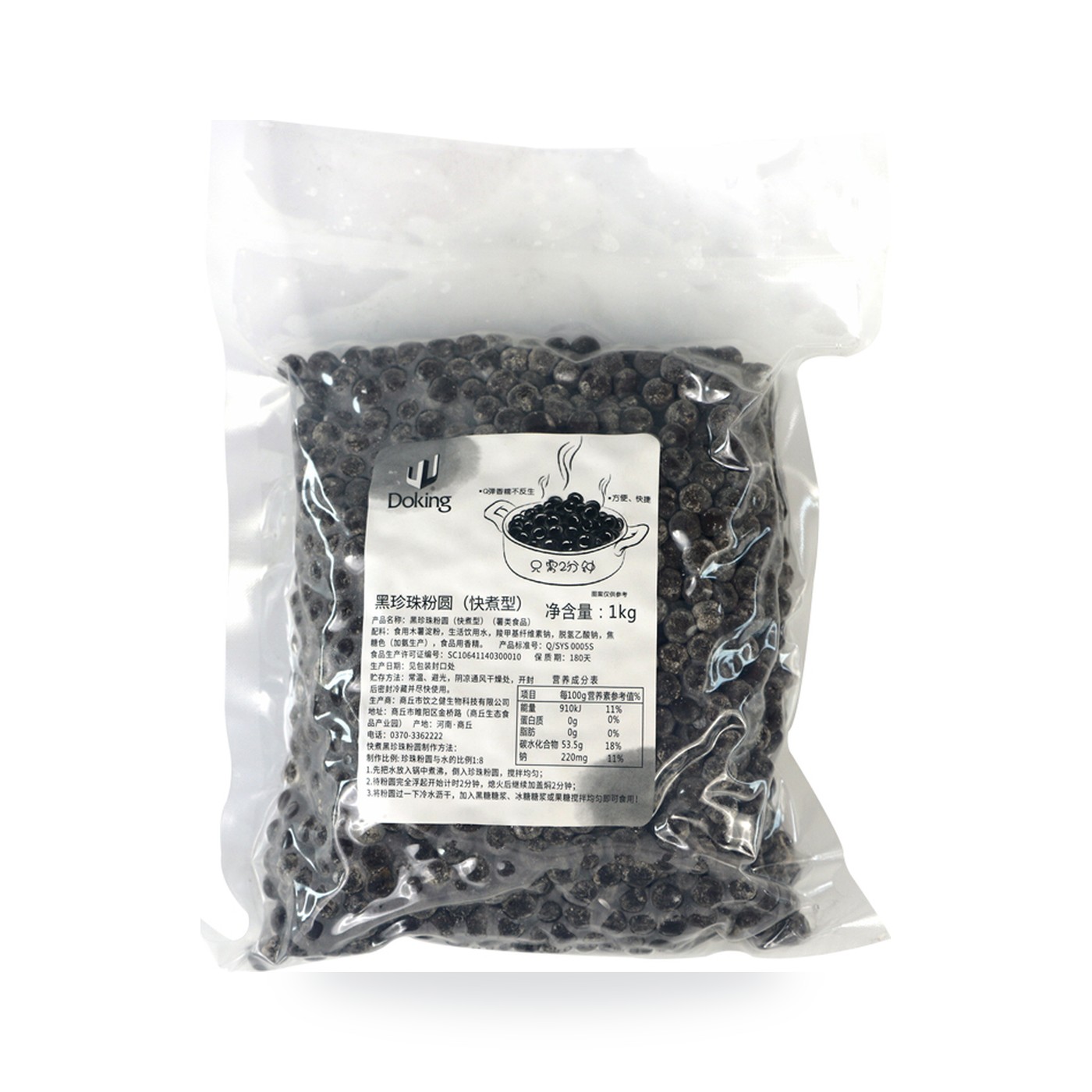
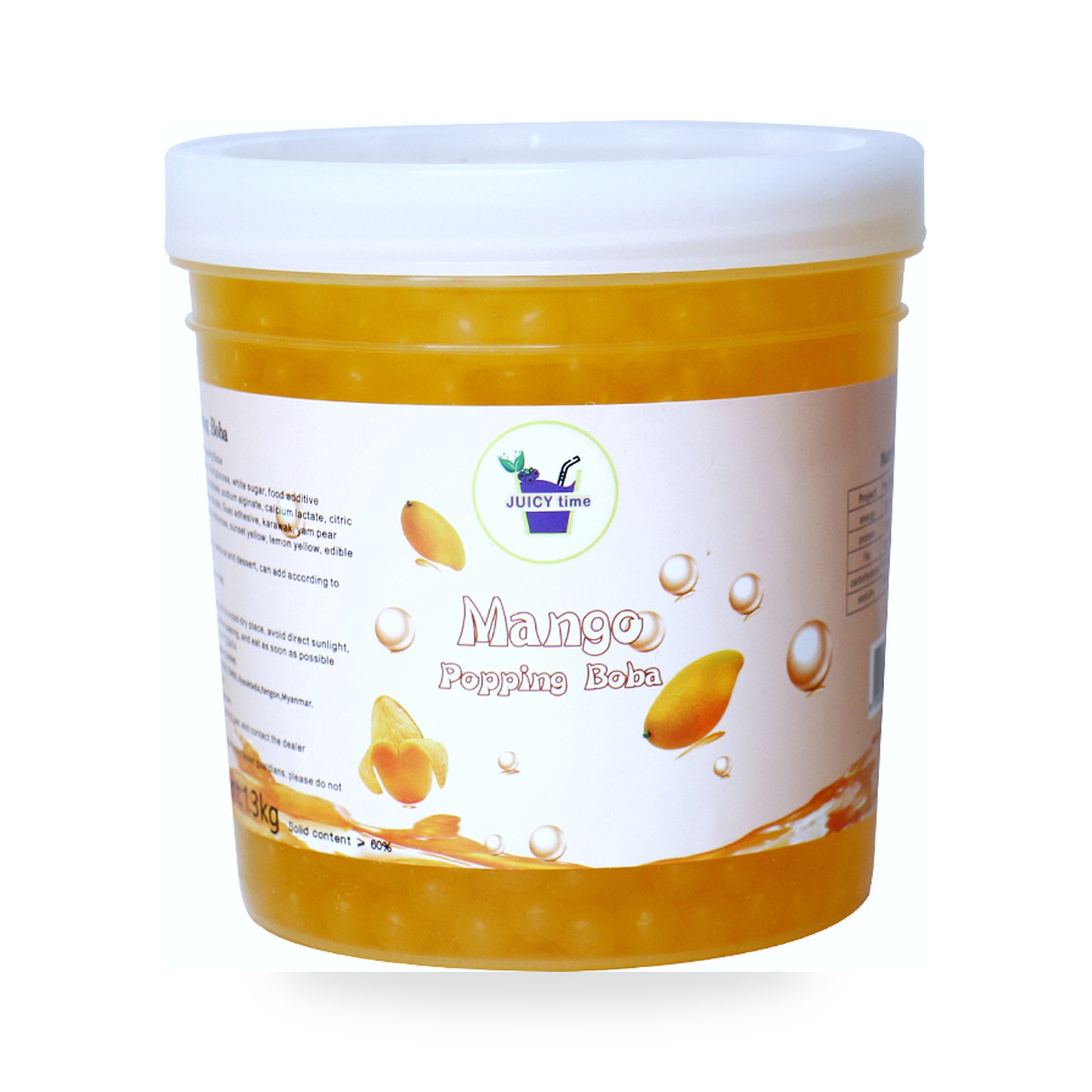
Black tapioca pearl is the cheaper topping to buy: $3.75/kg wholesale in Ontario ($3.50/kg in Quebec), against mango popping boba at $6.75 for a 1.25kg case, which works out to roughly $5.40/kg in Ontario ($6.50 per case, about $5.20/kg in Quebec). That is close to 44% more per kilogram for popping boba on paper.
But per-kilogram price is not the same as run cost. Tapioca pearl has to be boiled, then held in syrup, and a batch that does not sell within its hold window gets thrown out and cooked again from scratch, which is labour and gas or induction cost your popping boba line never carries. Popping boba ships ready to use straight from the case, with no cook loss and no clock running on an unsold batch.
The practical read for most Ontario and Quebec operators: if your milk tea volume is steady and predictable enough to cook tapioca in small, frequent batches, its lower per-kilogram price wins outright. If your volume swings shift to shift, or you are running a fruit tea or dessert bowl menu where popping boba is the expected topping anyway, the labour and waste you avoid on popping boba can close or beat the price gap by the end of the day.
Cost per case and per kilogram
| Product | Case format | ON case price | QC case price | Effective $/kg (ON) |
|---|---|---|---|---|
| Black Tapioca Pearl | 1kg | $3.75 | $3.50 | $3.75/kg |
| Mango Popping Boba | 1.25kg | $6.75 | $6.50 | ~$5.40/kg |
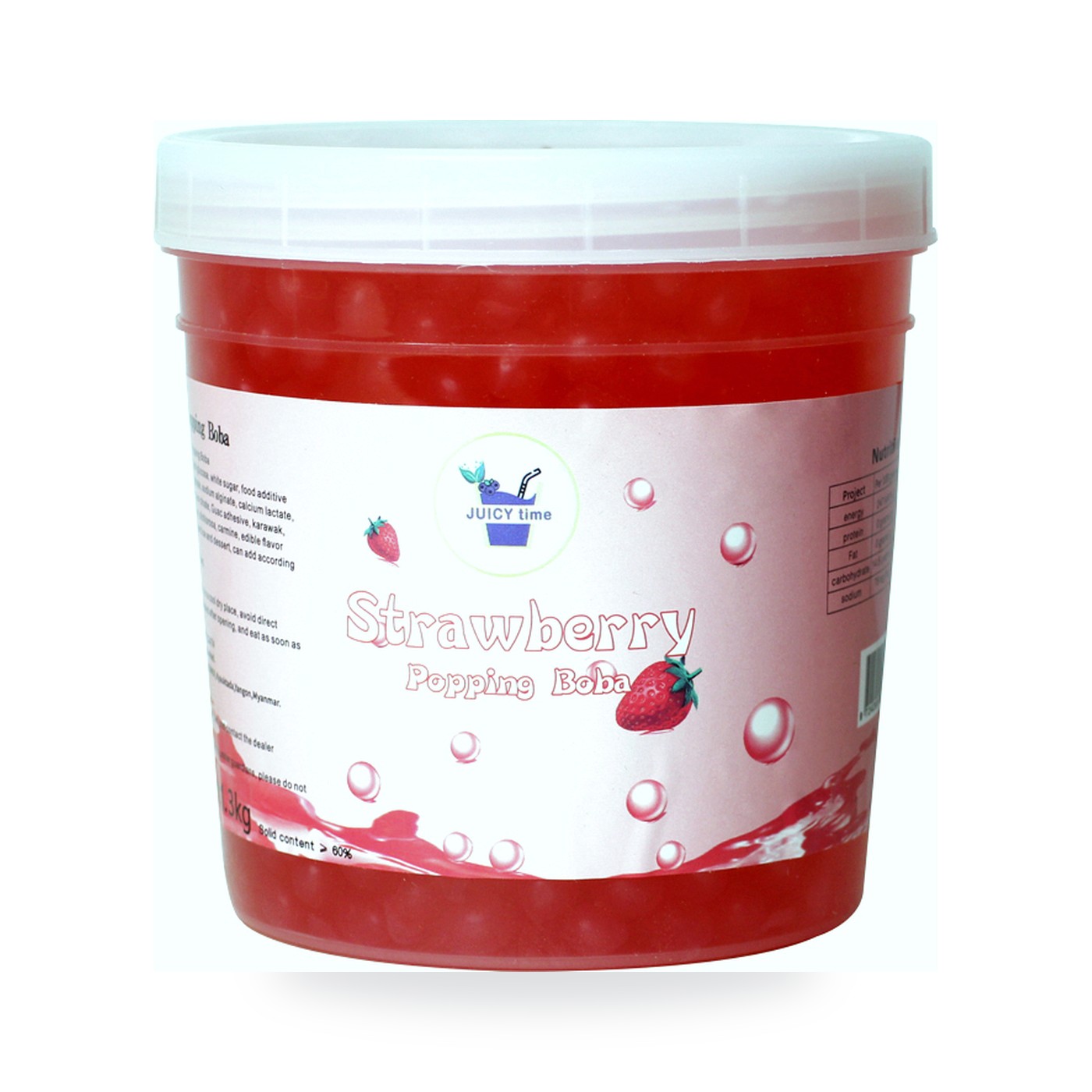
| Strawberry Popping Boba | 1.25kg case | request current quote | request current quote | request current quote |
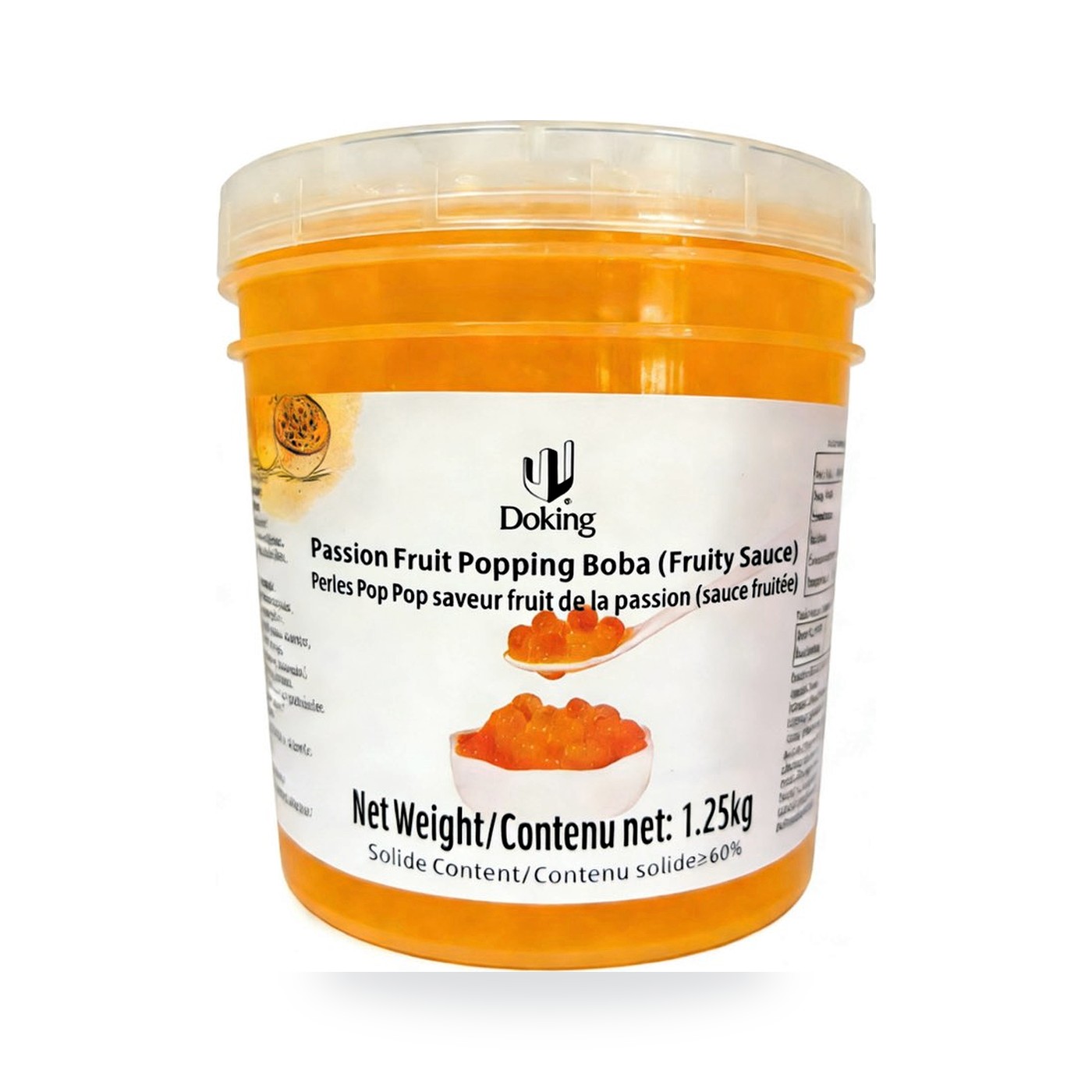
| Passion Fruit Popping Boba | 1.25kg case | request current quote | request current quote | request current quote |
By-case wholesale pricing is set per province (Ontario and Quebec run separate price lists); the single-unit prices above are the national retail reference point, not the by-case wholesale rate you would order at. Strawberry and passion fruit popping boba ship in the same 1.25kg case format as mango; ask your rep for current per-case pricing on those two flavours when you request a quote.
Cost per serving, using a typical pour
Using a common foodservice pour weight of 30 grams per serving for both toppings (confirm this against your own recipe, since actual pour weight varies by cup size and house recipe):
- Black tapioca pearl at $3.75/kg works out to roughly $0.11 per 30g serving in Ontario.
- Mango popping boba at ~$5.40/kg works out to roughly $0.16 per 30g serving in Ontario.
That is about a 5 cent per cup gap on ingredient cost alone, before either topping’s labour or waste profile is factored in. For context, Doking’s official recipe cost card for a classic pearl milk tea (500ml cup, all ingredients including tapioca pearl, tea base, and milk) comes out to $0.70 per cup at an 88% ingredient margin, so a 5 cent swing on the topping line is a small piece of the total cup economics, but it compounds fast at volume: a shop pouring 300 pearl milk teas a week is looking at roughly $15 a week, or about $780 a year, in topping cost difference alone, before labour or waste enters the picture.
Prep time and labour
Tapioca pearl is a cook-and-hold product. Pearls go into boiling water, cook for a set time, rest, then sit in syrup to stay soft and sweet until service. That means:
- A staff member has to actively manage a cook cycle, not just open a bag.
- Pearls held too long dry out, harden, or turn mushy and get pulled from service.
- Under-forecasting a slow shift means wasted syrup and wasted pearls; over-forecasting a busy shift means running out mid-rush and cooking a second batch under pressure.
Mango popping boba has none of that. It arrives cooked and ready: open the case, portion into a container, and it is service-ready. There is no boil step, no syrup bath, and no cook-cycle clock to manage. For a shop running lean staff during off-peak hours, that is a real labour saving even before the ingredient cost is compared.
Waste profile
This is where the two toppings diverge most. Tapioca pearl waste is a hold-window problem: a batch cooked for a forecasted rush that does not show up gets discarded, and the syrup it was holding in goes with it. The fix most shops land on is cooking in smaller, more frequent batches rather than one large batch to cover a whole shift, which trades some labour time for lower waste.
Popping boba’s waste risk sits entirely at the unopened-case level: it has effectively no cook-loss and no active hold-window to manage once opened at the counter. The tradeoff moves upstream to inventory planning: because it ships in a sealed case rather than a always-fresh batch, over-ordering a slow-moving flavour ties up cash and shelf space rather than showing up as counter waste.
When each one wins
Tapioca pearl wins when: your milk tea line has steady, forecastable volume, you have staff time to run a cook cycle without disrupting service, and pearl milk tea is a top seller where the lower per-kilogram cost compounds across high volume.
Popping boba wins when: your topping demand is unpredictable shift to shift, your menu leans toward fruit teas, yogurt drinks, or dessert bowls where popping boba is the expected topping rather than tapioca, or your labour model does not have someone dedicated to running a cook-and-hold station during off-peak hours.
Most multi-line shops run both. Tapioca covers the classic milk tea menu where customers expect the chewy pearl by default, and popping boba covers the fruit tea and dessert side of the menu where a burst-in-the-mouth topping outsells a chewy one. Splitting the topping spend across both lines also means neither ingredient carries all of your waste risk on its own.
Get pricing for your shop
Doking Canada supplies black tapioca pearl, popping boba, and the rest of the bubble tea and dessert ingredient line by the case, out of warehouses in Toronto and Montreal, with by-case wholesale pricing set separately for Ontario and Quebec foodservice accounts. If you are weighing tapioca against popping boba for your own menu mix, request a formal quote and a sample of either topping so you can run your own cost-per-cup and taste test before committing case volume.